


Studeničani: 35-year-old dies after being electrocuted while washing his car with a pressure washer
18.09.2026


18.09.2026
18.09.2026

18.09.2026
18.09.2026

18.09.2026
18.09.2026

18.09.2026

17.09.2026

16.09.2026

18.09.2026

18.09.2026

17.09.2026

18.09.2026

18.09.2026

18.09.2026

18.09.2026

17.09.2026

16.09.2026

18.09.2026

18.09.2026

18.09.2026

18.09.2026

17.09.2026

17.09.2026

09.03.2026

27.02.2026

19.02.2026

18.09.2026

17.09.2026

16.09.2026

23.04.2026

23.04.2026

12.04.2026

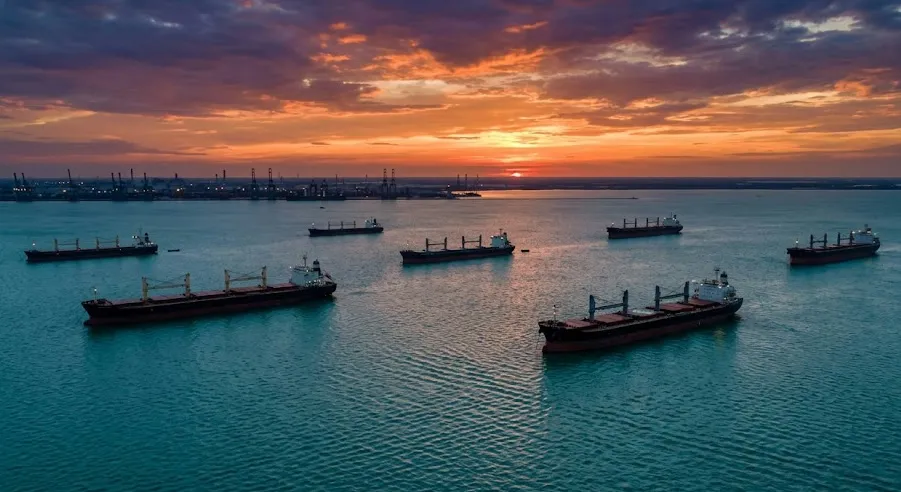
The US has struck Iran again - this time in the area of the Strait of Hormuz and Iran's Bandar Abbas airport. The targets, according to official Washington, were locations "posing a threat to US forces and commercial shipping", as well as Iranian drones. Iran responded with an attack on the US base in Kuwait - and a warning that the next responses would be "final".
The numbers: around 20,000 sailors stranded on hundreds of ships in a clogged Strait of Hormuz, Brent crude above $95 per barrel, and a three-year regional conflict already counting thousands of dead. The ceasefire between Israel and Lebanon officially exists - on paper. On the ground, it is a different story.
Donald Trump repeated the line that "no country can be allowed to control the strait - it has to stay open". Translation: if Iran tries to block it, the US will hit back. Kaja Kallas, the EU's chief of diplomacy, described the moment with precision: "between a very dangerous war zone and a peace zone." That is diplomatic language for "everything is in play".
For the Balkans, the price of oil is a direct threat to the inflation that had just started to ease. Every spike above $100 per barrel means more expensive fuel for September-October, more expensive food for the winter, and a new round of "transit crises" in Macedonia and Serbia. Is anyone here actually tracking the picture? Energy ministries may still believe a US-Iran ceasefire is primarily their plan.
What happens next depends on Tehran. Iran can carry out its blockade threats, and then every European oil importer gets a new reality. Or it can hold off - and then the US and Iran return to the current low-intensity military campaign with no formal declaration. Scenario-wise, the second is more likely. But the first is not impossible. Every energy strategy for summer 2026 is being rewritten right now.
The latest 10 news from this category
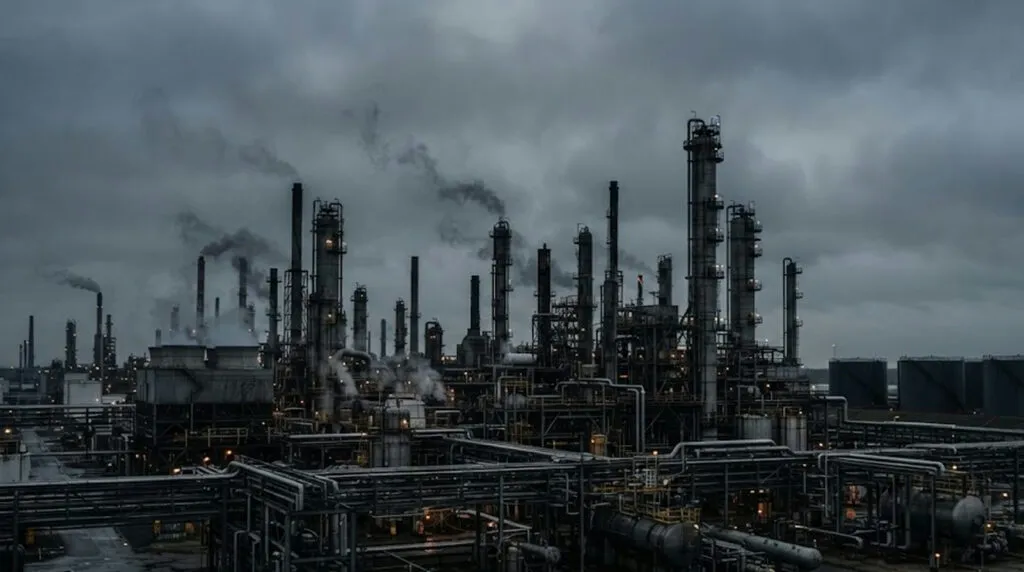
The bill passed with 262 votes, and the key to it has been handed to a man who has already...
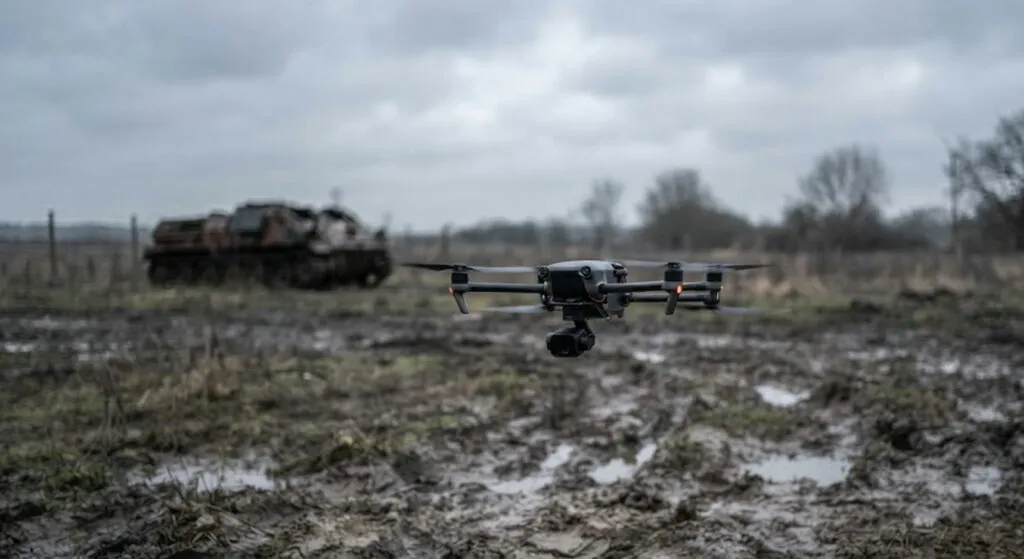
Ukraine adapts in weeks, the Alliance in decades. Europe is paying for Patriot systems from 1991 and is only now...
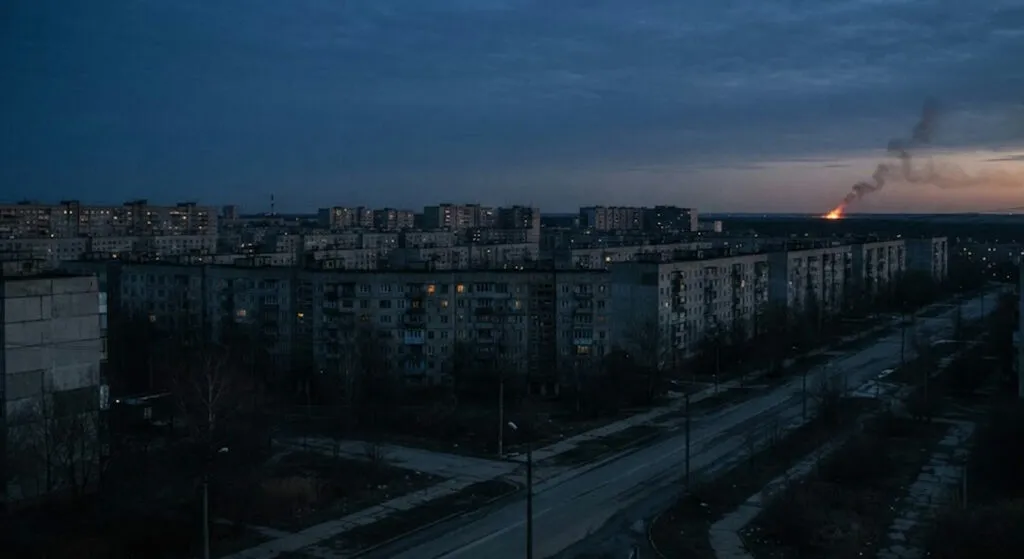
Missiles and drones on the Ukrainian capital, damaged water mains and residential buildings. The same night, Ukrainian drones set the...
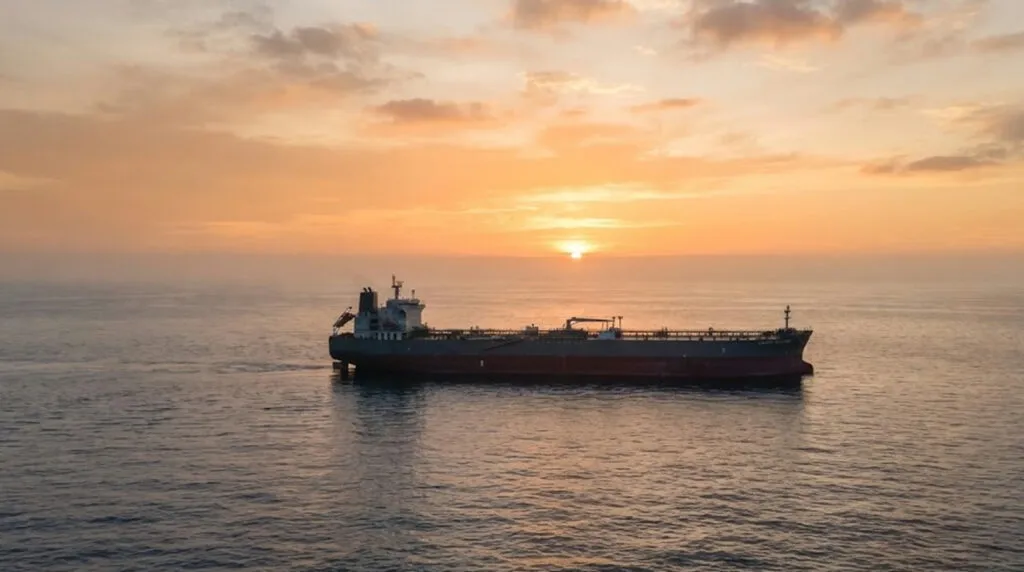
Trump hopes the war is ending and is preparing to gather the Gulf leaders. Oil prices have jumped, and the...
Ukraine says when, where and which unit did it. Russia's defence ministry has not a single sentence about the circumstances....
Norway's prime minister talks about a plane a drone "almost hit". Moldova, the only party holding the figures, reported that...
Ukraine was shooting down nine out of ten of the old drones. Then Russia changed the drone - and in...
It was shot down a few minutes after midnight, and all of Vilnius got a warning on their phones. Two...
The entire story comes from one side, and the headlines turn it into a turning point. The difference between the...
Between 2,300 and 3,000 North Korean soldiers have died in Kursk so far. Kim Jong Un has found an export...
This site uses cookies - is that okay? Learn more
Be the first to know when Metla launches something new
Leave your email and we will write when there is a new guide or something new on Metla.
