


Kratovo man stabs police officer mid-intervention: prosecutors want the 40-year-old detained
15.09.2026


15.09.2026

15.09.2026

15.09.2026

15.09.2026
15.09.2026
15.09.2026

15.09.2026

14.09.2026

13.09.2026

15.09.2026

15.09.2026

14.09.2026

15.09.2026

15.09.2026

15.09.2026

15.09.2026

14.09.2026

13.09.2026

15.09.2026

15.09.2026

15.09.2026

15.09.2026

15.09.2026

14.09.2026

09.03.2026

27.02.2026

19.02.2026

15.09.2026

14.09.2026

14.09.2026

23.04.2026

23.04.2026

12.04.2026

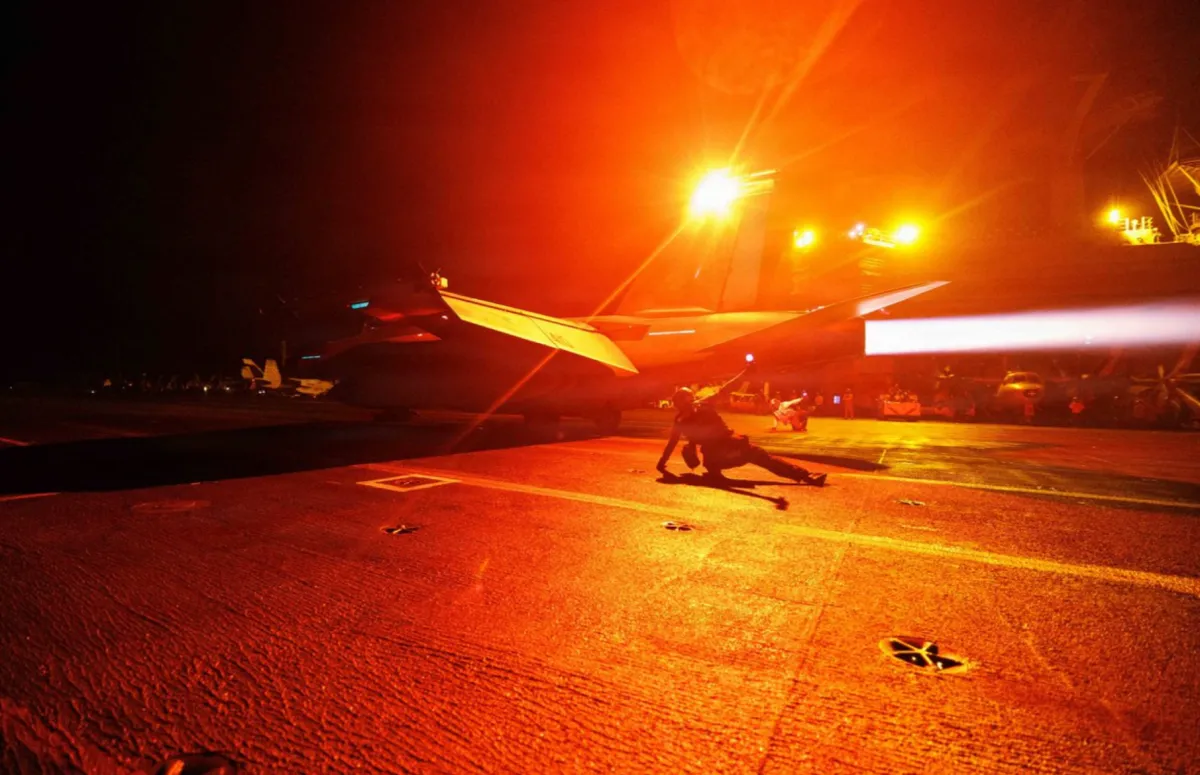
The ceasefire held for one month. That was it. Then everything spun back into the familiar spiral: attack, casualties, revenge, fresh escalation. This time the US struck Iran, after an Iranian attack killed two American soldiers in Jordan.
The US Central Command, Centcom, said the air operations began at 6 p.m. Eastern time on Saturday, on the orders of President Donald Trump. The goal, according to the military command, was twofold - to „further reduce Iran's ability to threaten commercial shipping“ through the Strait of Hormuz, and to swiftly punish the Iranian Revolutionary Guard for the attack in Jordan.
The Strait of Hormuz is not mentioned by accident. A significant share of the world's oil passes through that narrow crossing, and every escalation there is felt immediately on global markets. When the big players clash there, the consequences travel far - much farther than the Persian Gulf.
Iranian state media reported that US forces struck near Sirik, in southern Iran, so far with no reported casualties or damage. Supreme leader Ayatollah Mojtaba Khamenei declared that „the noble Iranian people and the Front of Resistance have prepared unforgettable lessons“ for the American adversary now trying a new round of escalation.
The violence comes after the collapse of the one-month ceasefire agreement last week. Since the start of the conflict in late February, the number of American soldiers killed has climbed to 16, with more than 420 wounded. The Iranian Revolutionary Guard has claimed responsibility for attacks on American positions across the region, including Kuwait and Bahrain.
Each side counts its dead, each side vows revenge, and the ceasefire turned out to be nothing more than a pause to catch a breath. The Balkans know this logic all too well - the one where every strike is a „response“ to the last, and nobody remembers who hit first. The question is whether anyone is still looking for a way out, or whether everyone is just waiting to see who strikes next.
The latest 10 news from this category
Between 2,300 and 3,000 North Korean soldiers have died in Kursk so far. Kim Jong Un has found an export...
A NATO fighter jet downed an unmanned aircraft over Lithuania minutes after midnight, and citizens got the warning on their...
The train was empty, the locomotive damaged, nobody hurt. But Boris Johnson and a group of European security advisers had...
453 drones in one night, 405 shot down - and the forty-eight that got through land somewhere. Poland's prime minister...

Trump's son-in-law told an audience in Kyiv the deal is done - if Ukraine withdraws. And added that the battlefield...
A barren volcanic rock in the middle of a strait 28 kilometres wide changed the oil market in a single...
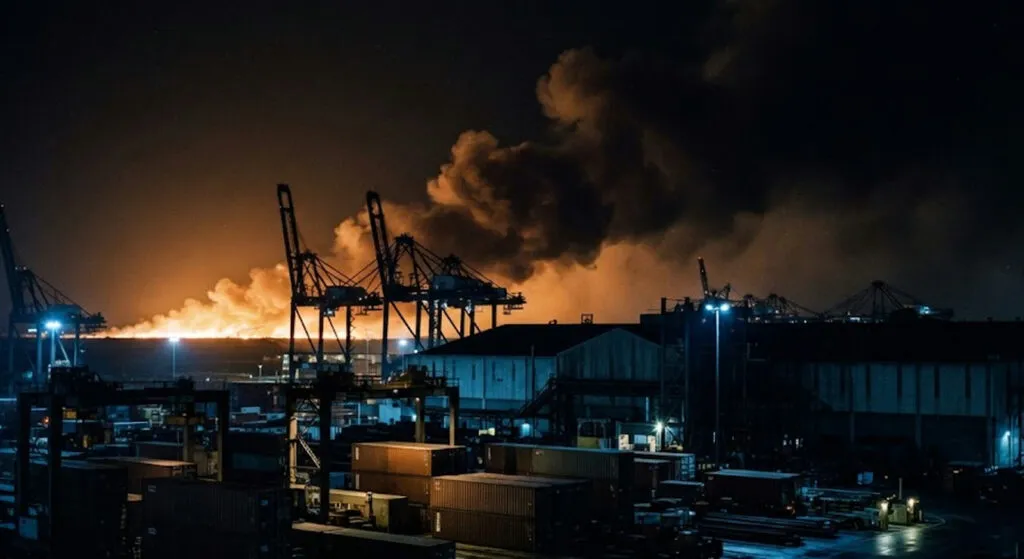
Hostomel, Odesa, Kryvyi Rih - targets that are not the front line but the supply chain. A war against the...

We don't want war with Europe, but here is exactly how that war would start. He said both sentences in...

When an army recalls its special forces with a 12-hour deadline, that is not a rota but a signal. The...

Port infrastructure in Makhachkala and the theatre building caught fire, the governor said. Moscow claims it shot down 448 drones...
This site uses cookies - is that okay? Learn more
Be the first to know when Metla launches something new
Leave your email and we will write when there is a new guide or something new on Metla.
