

Studeničani: 35-year-old dies after being electrocuted while washing his car with a pressure washer
18.09.2026


18.09.2026
18.09.2026

18.09.2026
18.09.2026

18.09.2026

18.09.2026
18.09.2026

17.09.2026

16.09.2026

18.09.2026

18.09.2026

17.09.2026

18.09.2026

18.09.2026

18.09.2026

18.09.2026

17.09.2026

16.09.2026
18.09.2026

18.09.2026
18.09.2026

18.09.2026

17.09.2026

17.09.2026

09.03.2026

27.02.2026

19.02.2026

18.09.2026

17.09.2026

16.09.2026

23.04.2026

23.04.2026

12.04.2026

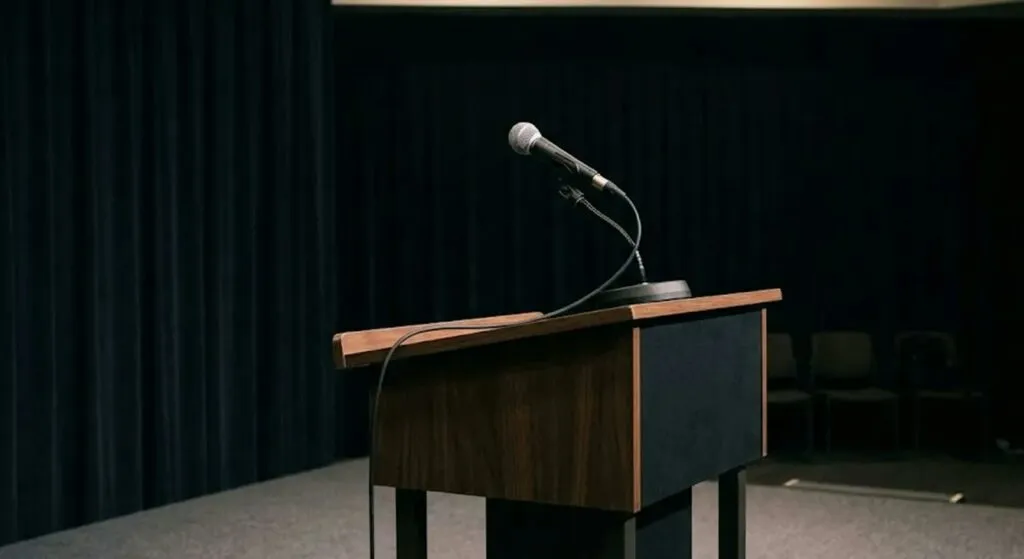
When the spokesperson of Russia's Foreign Ministry says that Russia has no enemy in Ukraine - but "in a nationalist minority group that has grabbed power in Kyiv" - that isn't diplomacy. That's rhetoric, and rhetoric of the wartime kind, designed for an audience that looks at the Kremlin as home.
The statement by Maria Zakharova comes at a moment when Moscow accuses Kyiv of breaking a one-day ceasefire from 8 to 10 May, which Russia declared in honour of Victory Day. According to Zakharova, in those three days 25 Russian civilians were killed, including one child, in Ukrainian attacks.
The main message is different. "The main enemy of Ukrainians is not Russia or Russians, but a nationalist minority group that has taken power in Kyiv," Zakharova said. When the Kremlin talks like that, it's a message to the Russian public that the war isn't against a people - it's against a political elite. It's the same argument that, when carried by Balkan dictators in the 1990s, ended where we know it ended.
Zakharova went further. According to her, the Kyiv regime has turned Ukraine into a "Western puppet state", pushing it toward corruption and neo-Nazism. She dismissed accusations about children allegedly removed from Ukraine as "anti-Russian propaganda". It's the same package of justifications: minority, corruption, external factor, neo-Nazism. It's meant to look like analysis - in essence, it's a script for an audience that doesn't want to see.
For Balkan readers, the short version is clear. "We're not at war with the people, just with a group of extremists" - that's the sentence every Balkan war leader said before sending their tanks into the neighbouring country. How often did we hear the same sentence from Belgrade, Zagreb, Sarajevo, and yes - from Skopje? And how often did it turn out to be true?
The latest 10 news from this category

The bill passed with 262 votes, and the key to it has been handed to a man who has already...
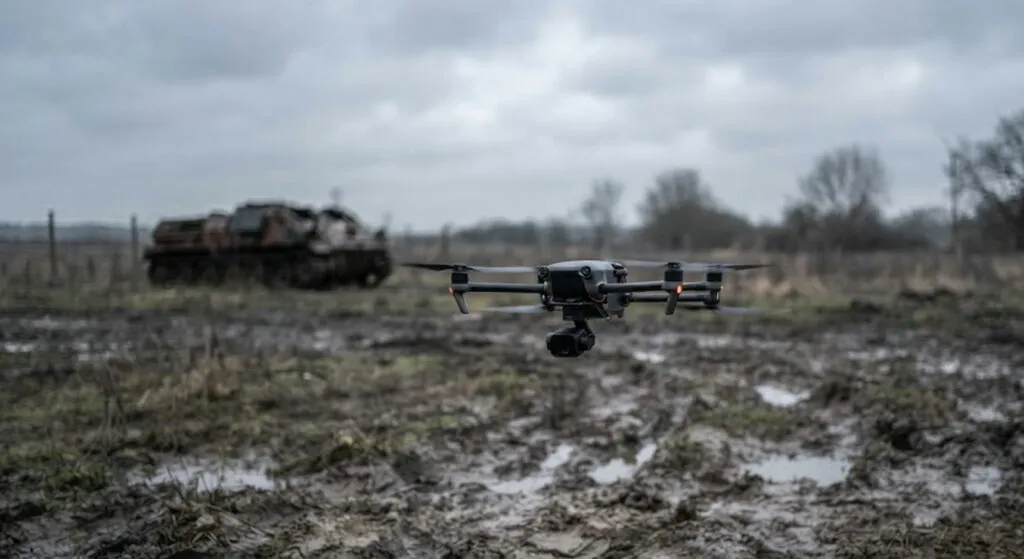
Ukraine adapts in weeks, the Alliance in decades. Europe is paying for Patriot systems from 1991 and is only now...
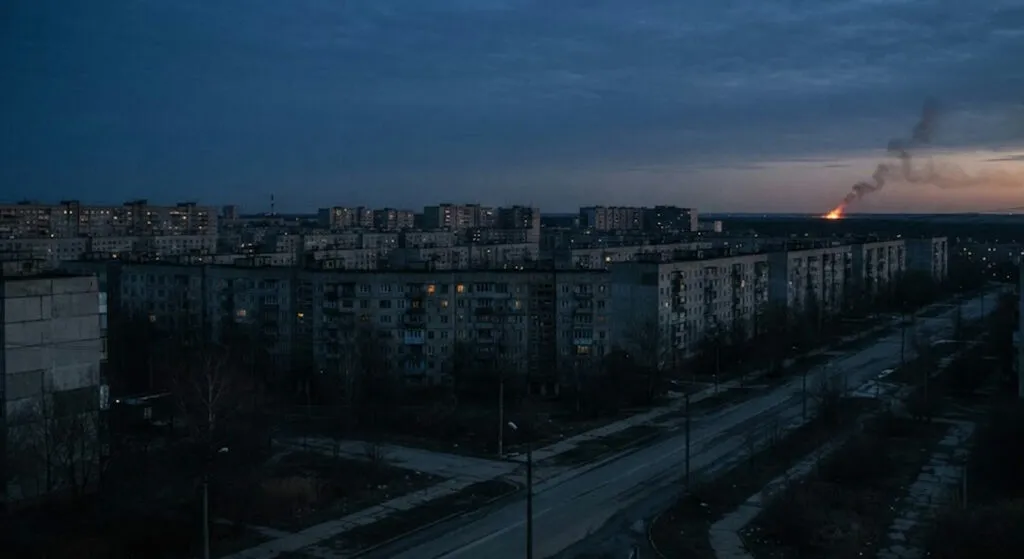
Missiles and drones on the Ukrainian capital, damaged water mains and residential buildings. The same night, Ukrainian drones set the...

Trump hopes the war is ending and is preparing to gather the Gulf leaders. Oil prices have jumped, and the...
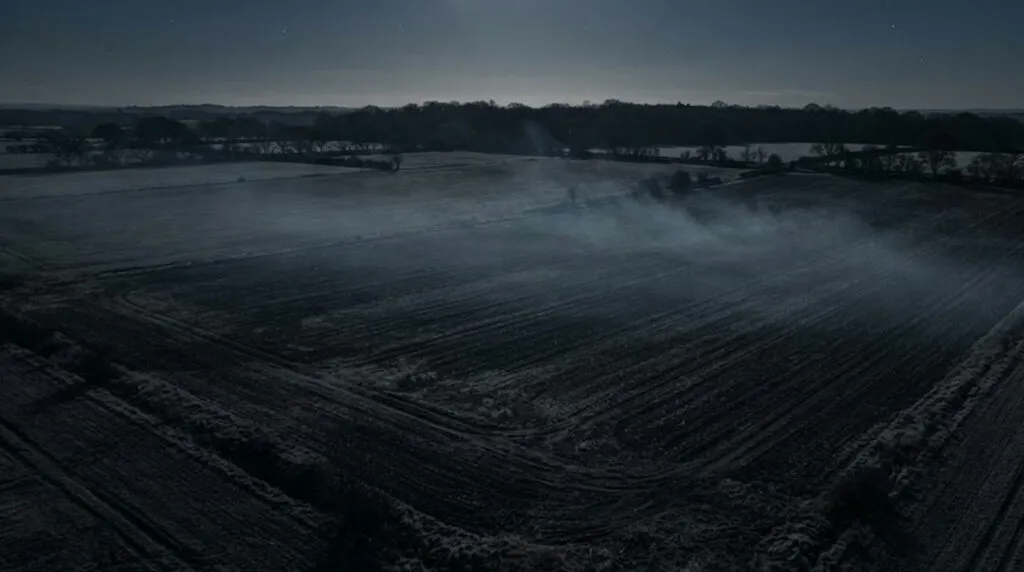
Ukraine says when, where and which unit did it. Russia's defence ministry has not a single sentence about the circumstances....

Norway's prime minister talks about a plane a drone "almost hit". Moldova, the only party holding the figures, reported that...
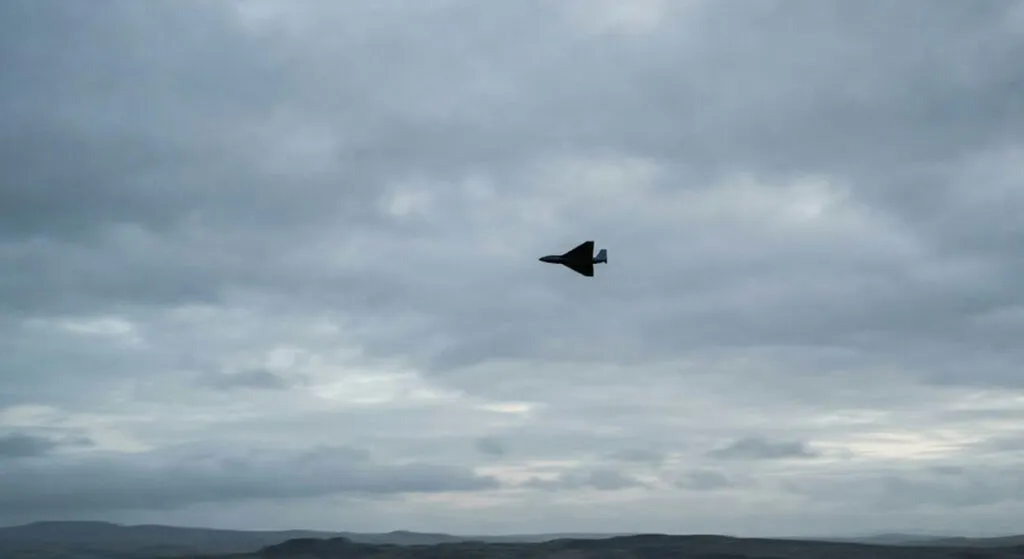
Ukraine was shooting down nine out of ten of the old drones. Then Russia changed the drone - and in...
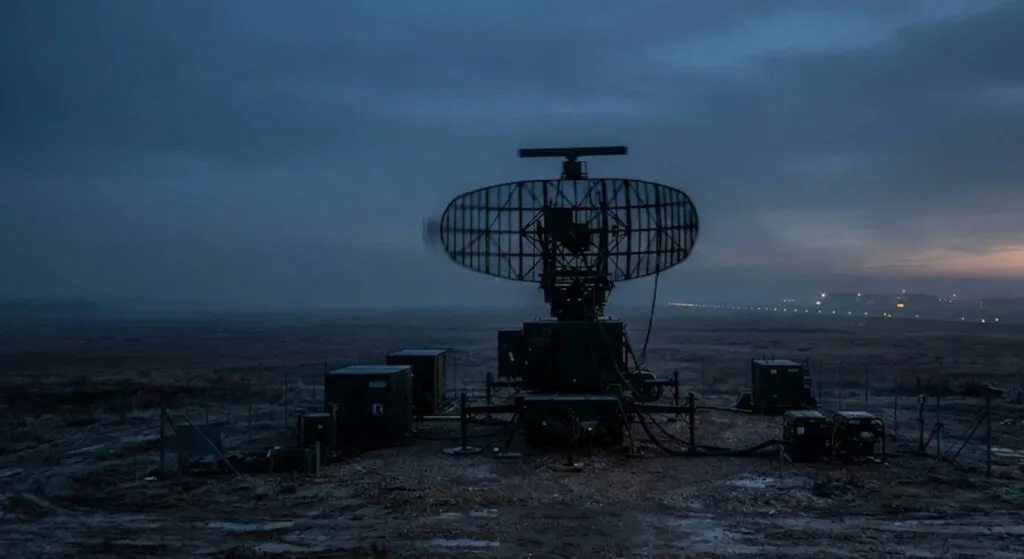
It was shot down a few minutes after midnight, and all of Vilnius got a warning on their phones. Two...
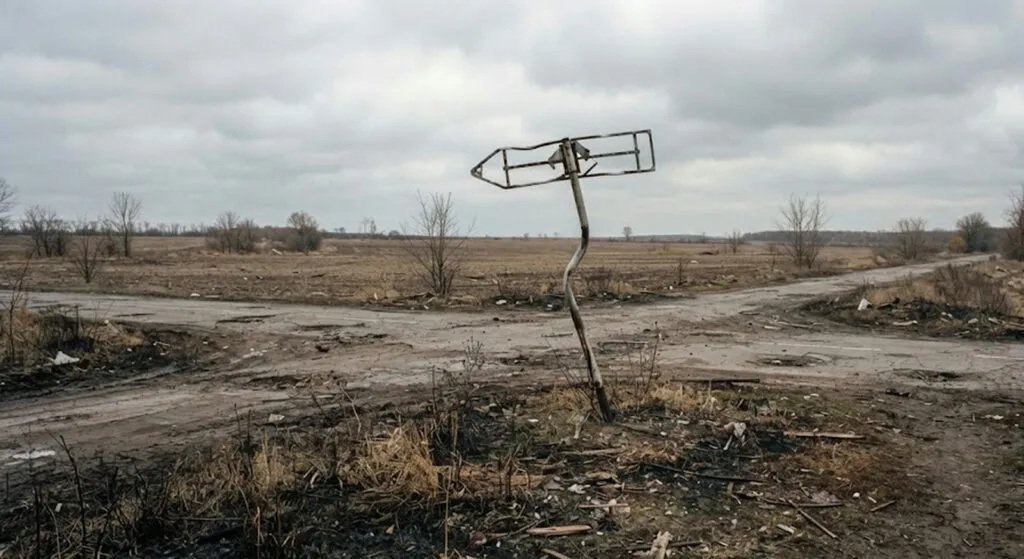
The entire story comes from one side, and the headlines turn it into a turning point. The difference between the...
Between 2,300 and 3,000 North Korean soldiers have died in Kursk so far. Kim Jong Un has found an export...
This site uses cookies - is that okay? Learn more
Be the first to know when Metla launches something new
Leave your email and we will write when there is a new guide or something new on Metla.
