
"That's not my job": the trial of the 13 Puls police officers restarted from scratch, and witnesses describe help being refused
22.09.2026


22.09.2026
22.09.2026

22.09.2026
22.09.2026

22.09.2026

22.09.2026

22.09.2026

21.09.2026

20.09.2026

22.09.2026

22.09.2026

21.09.2026

22.09.2026

22.09.2026

22.09.2026

22.09.2026

21.09.2026

20.09.2026

22.09.2026

22.09.2026

22.09.2026
22.09.2026

22.09.2026

22.09.2026

09.03.2026

27.02.2026

19.02.2026

22.09.2026

21.09.2026

21.09.2026

23.04.2026

23.04.2026

12.04.2026

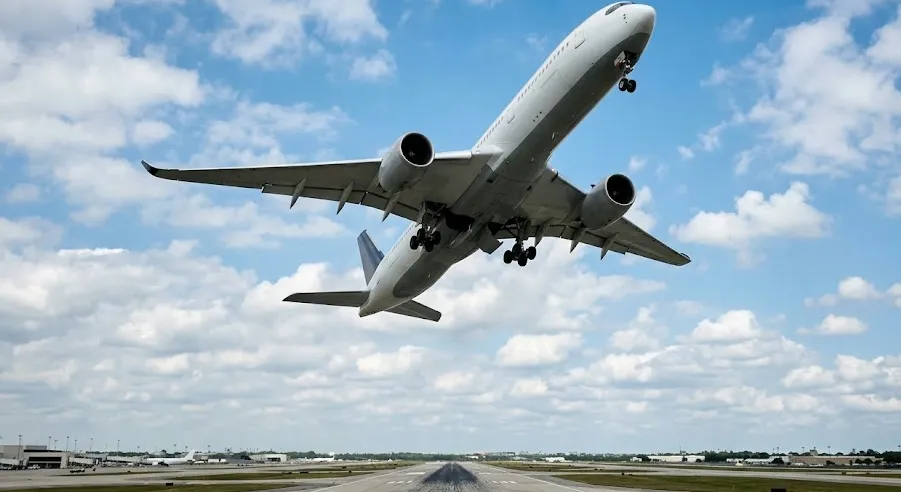
Above Humberto Delgado airport in Lisbon, in the final stage of the landing of flight ASL36H, side winds became stronger than safe. The captain of the Air Serbia Airbus A319-100 (registration YU-APE) made a decision in a few seconds that most passengers won't understand: go-around. Aborted landing, engines to full power, climbing back up.
This is neither an incident nor a plane error. It's standard procedure for pilots who have the training - and every pilot flying for a scheduled airline has it. It's used when something in the final seconds isn't right: a wind shear, another aircraft on the runway, too much fuel, a technical signal. The simple solution - don't land, go up, try again.
The drama here is not in the manoeuvre but in the causes. The pre-flight weather report for Lisbon did not predict such crosswinds, or at least not at that stage of the landing. Airports are prepared for such conditions, but the pilot has to feel the moment - and to react before the plane starts moving unsteadily over the runway.
For passengers? A few seconds of adrenaline. The plane "falls downwards," and then suddenly climbs steeply. It's unusual, it's not fun - but it's the reason the standards for pilot training are so strict. A pilot at Lufthansa, Air France, or anywhere else who just stepped into the cockpit after 1,500 hours of training would apply the same procedure.
The plane safely returned to the air, and once conditions improved - it landed. Passports, luggage, arrival without a story. And one story about a pilot who, according to his colleagues, "reacted perfectly." That, fundamentally, is what pilots do when they're seriously trained - not to react well in an accident, but to leave no room for the accident to happen.
The latest 10 news from this category

Washington, Copenhagen and Nuuk are signing off on a military presence on an island of 56,000 people - and the...
Phones in Krāslava rang by themselves, the fighters took off, and what exactly triggered the alert - nobody is saying....
In Mecklenburg the CDU finished on 4.9 percent and, for the first time in the history of the Federal Republic,...

Tisza took 16 years of power off Fidesz and won 141 of 199 parliamentary seats. Orbán now says Brussels is...

With 75 percent of protocols counted, the governing party leads in 208 of the 225 single-mandate districts. A parliament of...
He never sat on the throne, and the emirate is lowering its flags for ten days. Sometimes the surname says...

Three options on the table in Washington - military pressure, economic strangulation or a deal - and the president frames...

The party of Adenauer and Kohl slid to the electoral threshold in Mecklenburg, the AfD is already demanding the chancellor's...
Two prime ministers in the same Union, the same month, completely opposite diagnoses of who is provoking whom. There is...
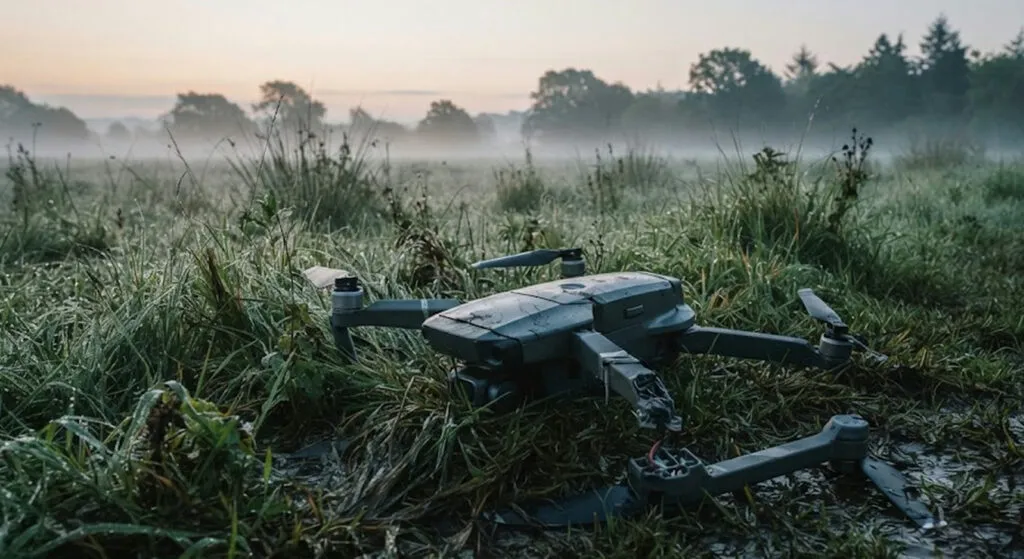
A broken aircraft in a field usually ends up in a police note. This one ended up with federal investigators,...
This site uses cookies - is that okay? Learn more
Be the first to know when Metla launches something new
Leave your email and we will write when there is a new guide or something new on Metla.