Шест години лажни категории во возачки дозволи од шалтер во МВР: обвинети шестмина, уште 21 лице под истрага
21.09.2026


21.09.2026
21.09.2026
21.09.2026
21.09.2026

21.09.2026

21.09.2026
21.09.2026

20.09.2026
20.09.2026

21.09.2026

21.09.2026

20.09.2026

21.09.2026

21.09.2026

21.09.2026

21.09.2026

20.09.2026
19.09.2026

21.09.2026

21.09.2026

21.09.2026
21.09.2026
21.09.2026

21.09.2026

09.03.2026

27.02.2026

19.02.2026

20.09.2026

19.09.2026

18.09.2026

23.04.2026

23.04.2026

12.04.2026

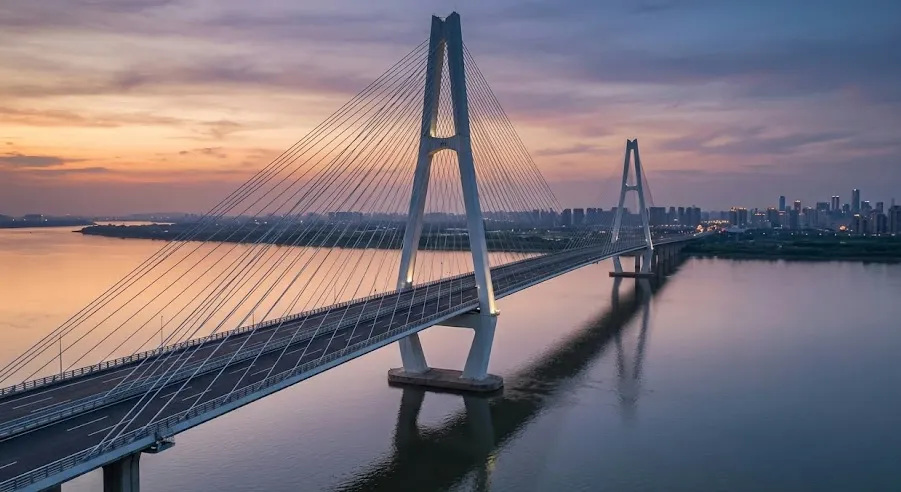
The Gordie Howe Bridge between Detroit and Windsor - a six-lane highway across the US-Canada border - opens by the end of the week. It would be a routine ribbon-cutting, were it not for the fact that US President Donald Trump threatened back in February that he wouldn't let the bridge open until Canada gave way.
Canadian Prime Minister Mark Carney delivered the news to reporters in Ottawa briefly and without theatrics: „Great news. The bridge will, of course, be open by the end of the week." He called the bridge „a symbol, but also concrete proof of cooperation" between the two countries - and elegantly dodged questions about what went on behind the scenes with Trump. When you win, you don't explain.
Trump's threat was as loud as it was factually crooked. He claimed Canada „owns both the Canadian and the American side" and that the project was „taking advantage of America," demanding Canada cede „at least half of that property." The reality: the bridge is jointly owned by the Canadian government and the US state of Michigan. An intriguing detail in the background - the Moroun family, owners of the nearby private Ambassador Bridge, fought for years against the new bridge as unfair competition, lawsuits included. When a private monopoly and presidential rhetoric pull in the same direction, the question „who benefits" answers itself.
The project's numbers: agreed in 2012, built from 2018, around 6.4 billion dollars, seven years of work. It's named after the legendary Canadian hockey player Gordie Howe, who played for years precisely in Detroit. The irony of the story: in 2017 Trump himself signed, with then-PM Trudeau, a joint statement hoping for the „swift completion" of the very bridge he later branded as „taking advantage."
The whole episode is part of a wider picture: tariffs, countermeasures, rhetoric about Canada as the „51st US state" and negotiations over a new trade deal. Carney, meanwhile, is calling for a coalition of „middle powers" against the „great" ones. And the bridge - built to ease supply chains and reduce congestion - will, in the end, work. Sometimes concrete is more stubborn than politics. And that's perhaps the most encouraging news in the whole story.
The latest 10 news from this category
Три опции на масата во Вашингтон - воен притисок, економско давење или договор - а претседателот ја опишува дилемата како...
Партијата на Аденауер и Кол се лизна до изборниот праг во Мекленбург, АфД веќе бара оставка од канцеларот, а Мерц...
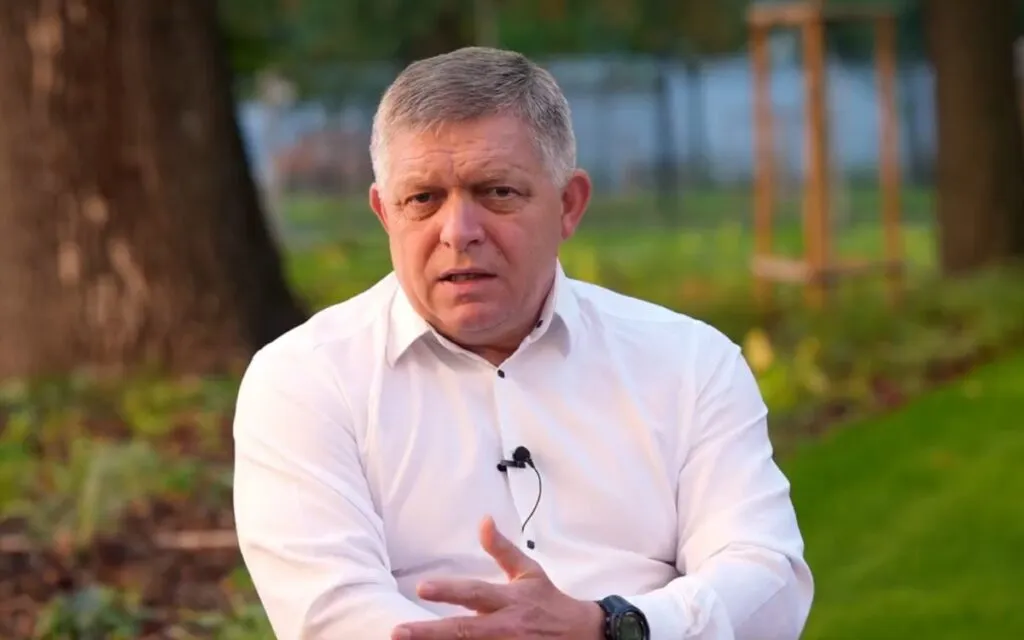
Two prime ministers in the same Union, the same month, completely opposite diagnoses of who is provoking whom. There is...
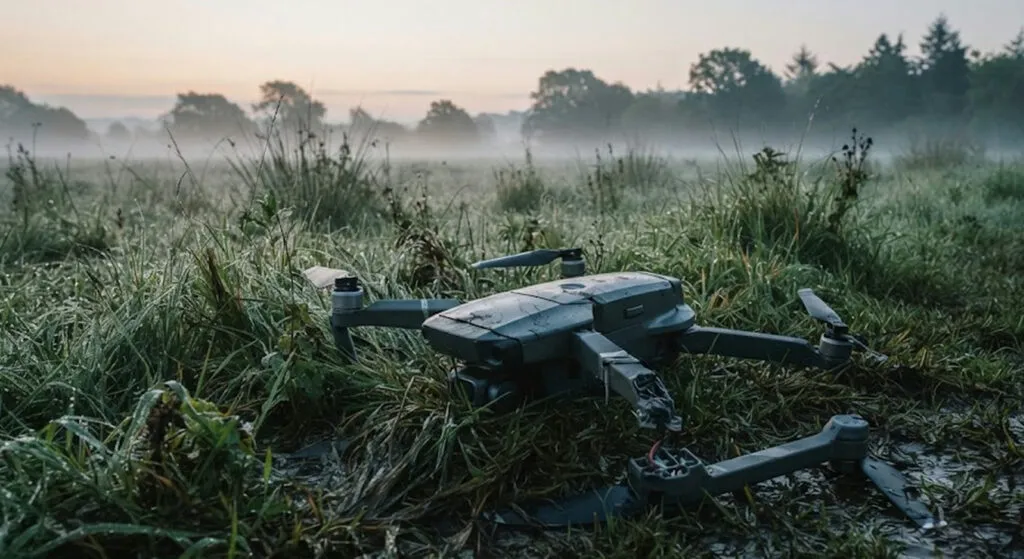
A broken aircraft in a field usually ends up in a police note. This one ended up with federal investigators,...

Beijing will easily find another supplier. The harder question is what Washington is actually testing: whether private Chinese companies will...
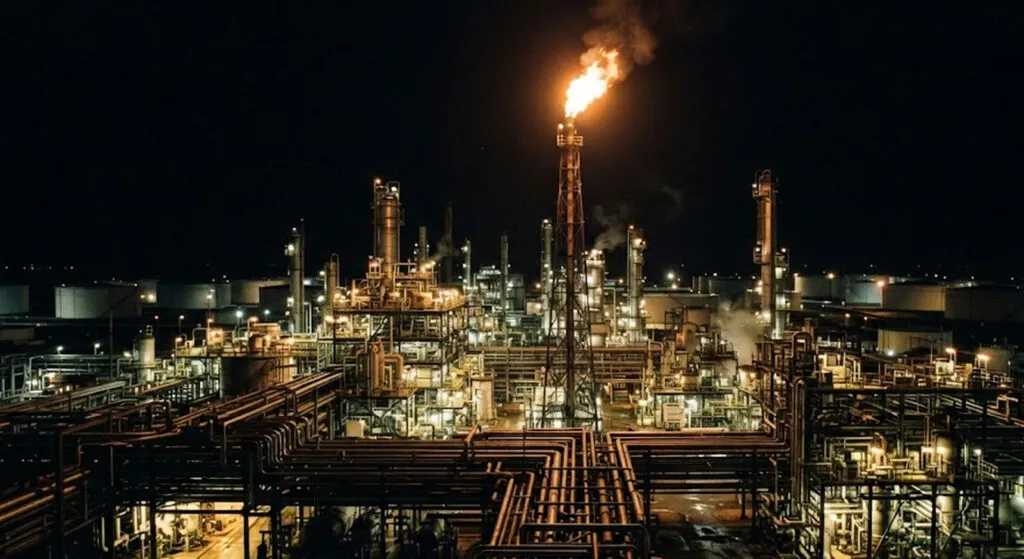
The law lets Washington hit the five biggest buyers of Russian oil with tariffs of up to 100 per cent....
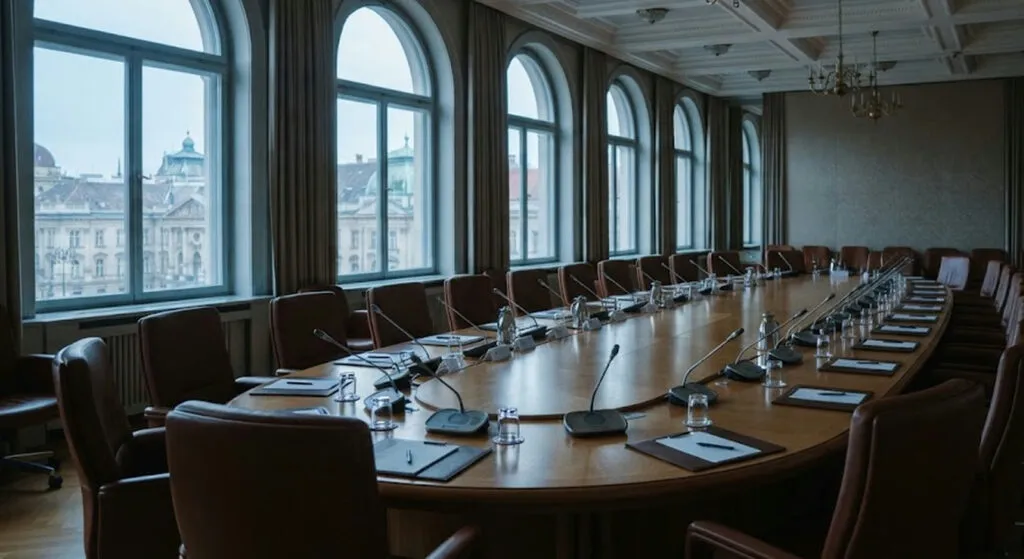
Measures imposed over the war in Ukraine are now being offered as currency in an entirely different dispute. If the...

A smaller dose and more needles does not mean a safer vaccine, it means an ineffective one. Science has had...
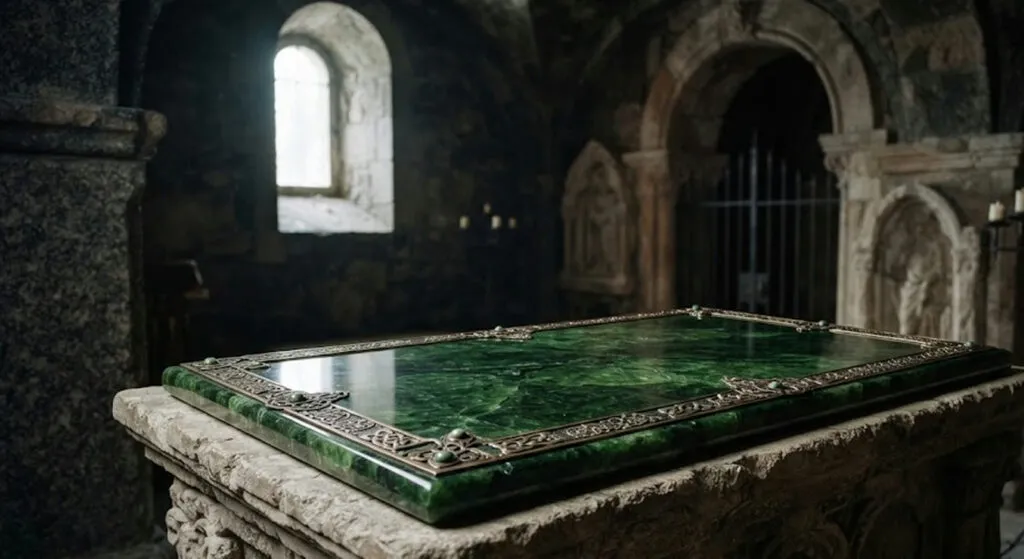
Harald designed the sarcophagus himself, and it is shaped like a ship. The stone is 400 million years old and...

Von der Leyen proposed a status that does not exist in European law, the Canadians distanced themselves, and Washington announced...
This site uses cookies - is that okay? Learn more
Be the first to know when Metla launches something new
Leave your email and we will write when there is a new guide or something new on Metla.