Шест години лажни категории во возачки дозволи од шалтер во МВР: обвинети шестмина, уште 21 лице под истрага
21.09.2026


21.09.2026
21.09.2026
21.09.2026

21.09.2026

21.09.2026

21.09.2026
21.09.2026

20.09.2026
20.09.2026

21.09.2026

21.09.2026

20.09.2026
21.09.2026

21.09.2026

21.09.2026

21.09.2026

20.09.2026

19.09.2026

21.09.2026

21.09.2026
21.09.2026

21.09.2026

21.09.2026

21.09.2026

09.03.2026

27.02.2026

19.02.2026
20.09.2026
19.09.2026
18.09.2026

23.04.2026

23.04.2026

12.04.2026

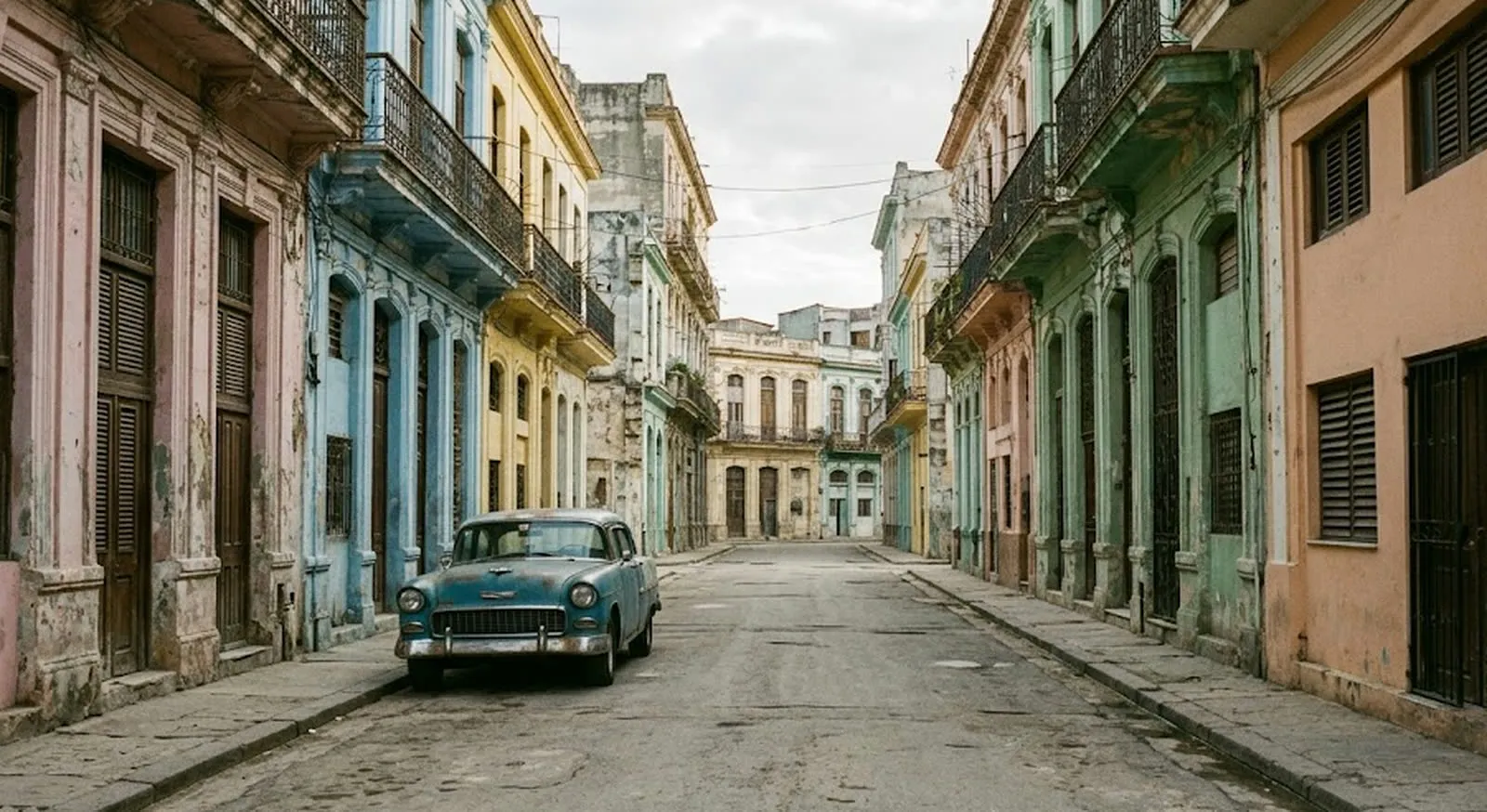
The island that for decades lived off sun, seas and nostalgia for old cars is now watching its tourism fall apart. In the first five months of 2026, Cuba took in fewer than 360,000 foreign visitors - a drop of fully 58.4 percent compared with the same period last year, according to the Cuban statistics bureau.
There's a clear strategy behind the number. Donald Trump's administration is targeting tourism specifically - a key source of revenue for the Cuban government - through tightened sanctions. The result is that airlines and hotel chains are abandoning the island one by one. Air Canada suspended its flights indefinitely citing "lasting political and economic uncertainty", while the Spanish hotel groups Meliá and Iberostar shut down numerous properties ahead of the deadline Washington set for cutting ties with Gaesa, Cuba's military-controlled conglomerate.
US Secretary of State Marco Rubio accused Gaesa of operating like a "state within a state" and of "piling up profit for a small elite" while treating anyone who complains with repression. Still, as ever with sanctions, the question is who really pays in the end - the elite being targeted, or the ordinary person who depends on it?
And the reality on the street is frightening. Cuba faces shortages of fuel, medicine and rationed food. The survival rate of children with cancer has fallen from 85 to 65 percent since January. Power cuts triggered rare public protests, and the scarcity runs so deep that even the communion wafers in monasteries are running out. The Balkans know this story up close - when geopolitics is played through a people, it's the most vulnerable who suffer first, and the ones who designed the game are the last to be asked anything.
The latest 10 news from this category

Три опции на масата во Вашингтон - воен притисок, економско давење или договор - а претседателот ја опишува дилемата како...
Партијата на Аденауер и Кол се лизна до изборниот праг во Мекленбург, АфД веќе бара оставка од канцеларот, а Мерц...
Two prime ministers in the same Union, the same month, completely opposite diagnoses of who is provoking whom. There is...
A broken aircraft in a field usually ends up in a police note. This one ended up with federal investigators,...
Beijing will easily find another supplier. The harder question is what Washington is actually testing: whether private Chinese companies will...
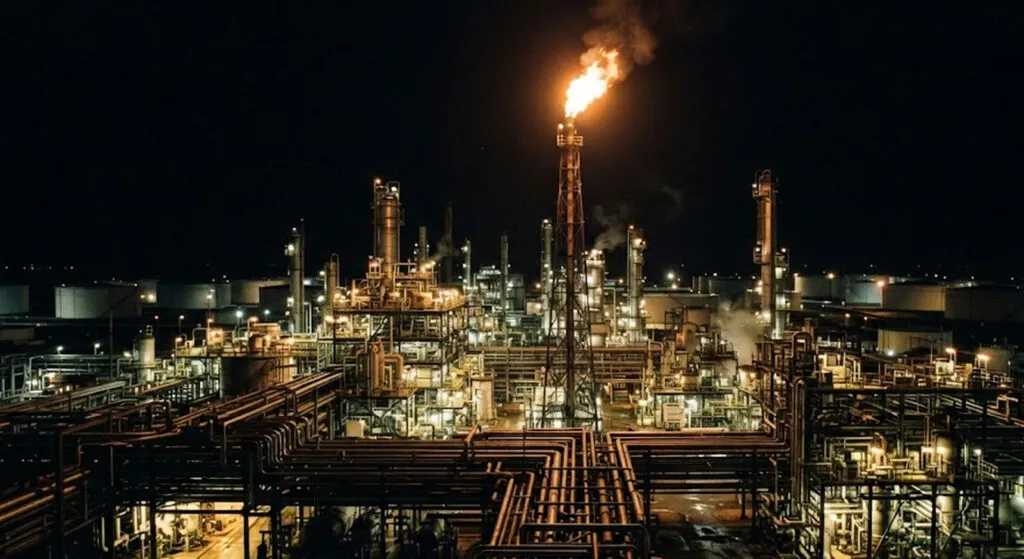
The law lets Washington hit the five biggest buyers of Russian oil with tariffs of up to 100 per cent....
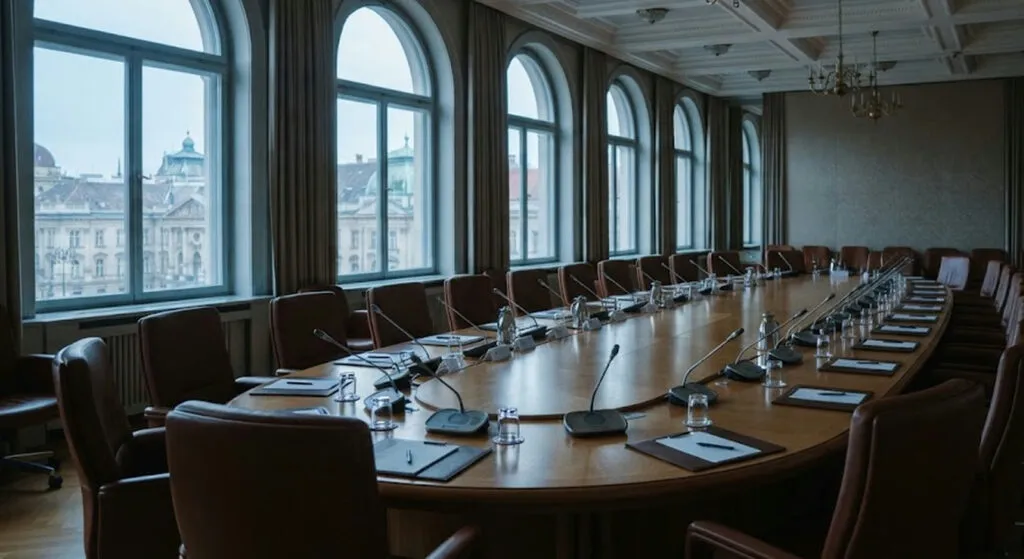
Measures imposed over the war in Ukraine are now being offered as currency in an entirely different dispute. If the...

A smaller dose and more needles does not mean a safer vaccine, it means an ineffective one. Science has had...
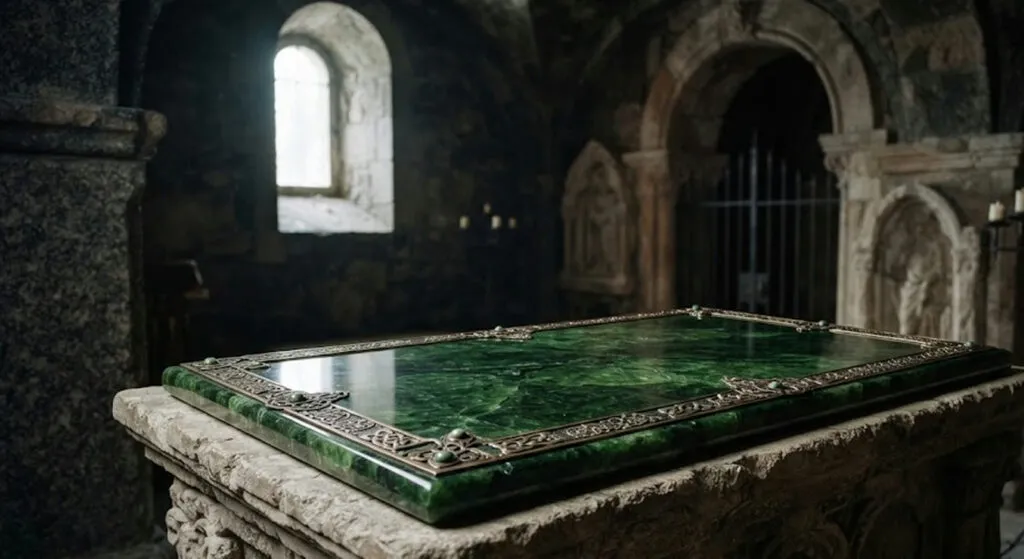
Harald designed the sarcophagus himself, and it is shaped like a ship. The stone is 400 million years old and...
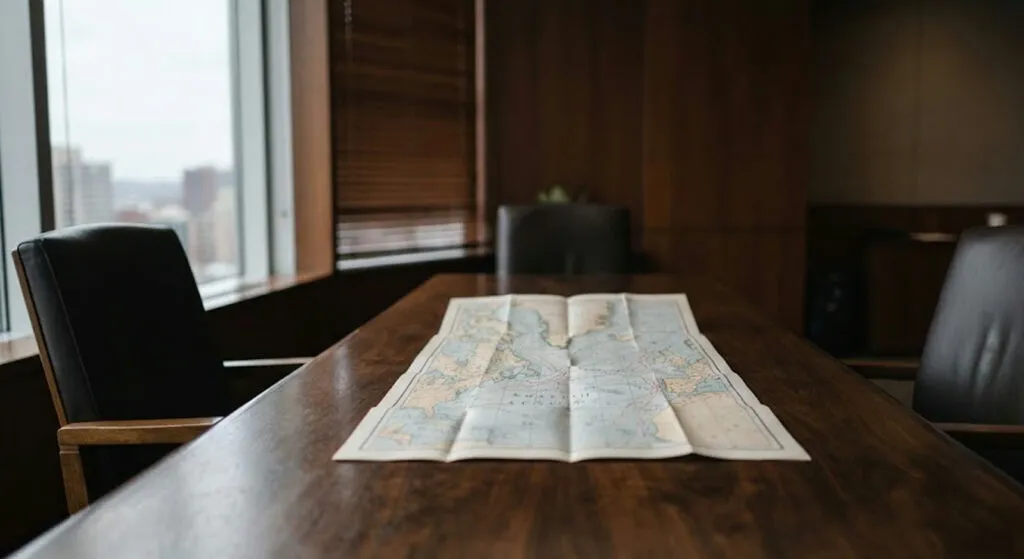
Von der Leyen proposed a status that does not exist in European law, the Canadians distanced themselves, and Washington announced...
This site uses cookies - is that okay? Learn more
Be the first to know when Metla launches something new
Leave your email and we will write when there is a new guide or something new on Metla.