
Шест години лажни категории во возачки дозволи од шалтер во МВР: обвинети шестмина, уште 21 лице под истрага
21.09.2026


21.09.2026

21.09.2026

21.09.2026

21.09.2026

21.09.2026

21.09.2026

21.09.2026

20.09.2026

20.09.2026

21.09.2026

21.09.2026

20.09.2026

21.09.2026

21.09.2026

21.09.2026

21.09.2026

20.09.2026

19.09.2026

21.09.2026

21.09.2026

21.09.2026

21.09.2026

21.09.2026

21.09.2026

09.03.2026

27.02.2026

19.02.2026

20.09.2026

19.09.2026

18.09.2026

23.04.2026

23.04.2026

12.04.2026

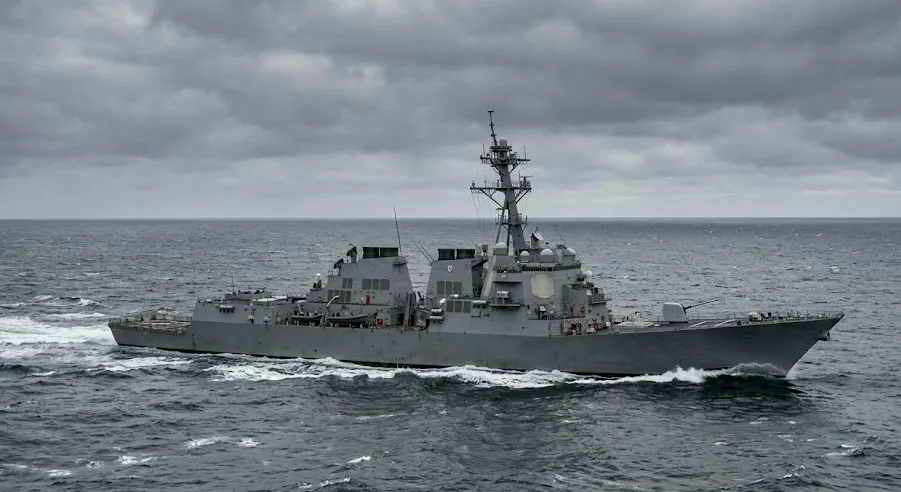
At the security forum in Singapore, known as the Shangri-La Dialogue, Japan's defense minister Shinjiro Koizumi dismissed Chinese accusations of Japanese militarism - and immediately turned the ball back. For him, the real concern isn't the Japanese military, but "a country with a huge arsenal of nuclear weapons." Diplomatic vocabulary for: China.
Behind the words are the numbers. Japan's military budget exceeds 9 trillion yen, or about 57 billion dollars - with record growth for twelve years straight, bringing Tokyo close to NATO's target of 2 percent of GDP. The money goes into anti-ship missiles, drones and underwater vehicles. For a country that committed to pacifism after the Second World War, that's a quiet but clear change of course.
Koizumi insisted Japan operates with "high transparency" and that the goal is defense, not war. But the history between the two countries is heavy - China's memory of the Japanese invasion of the last century is alive, and Beijing constantly warns against Japanese "remilitarization." Tensions escalated when Japan's prime minister suggested the country could defend itself on its own in the event of an attack on Taiwan.
What's interesting is that there's resistance within Japan itself. Anti-war protests are being held across the country, and the domestic debate over abandoning postwar pacifism is getting ever sharper. Not all Japanese want their country to be a military power again - the memories of where that path leads are still passed down through generations.
For us in the Balkans, the sight of two powerful states accusing each other of militarism while both pile up weapons is painfully familiar. Everyone arms "for defense," everyone is "transparent," and everyone sees the other as a threat. And when everyone arms in the name of peace, the only question is who loses patience first.
The latest 10 news from this category

Три опции на масата во Вашингтон - воен притисок, економско давење или договор - а претседателот ја опишува дилемата како...
Партијата на Аденауер и Кол се лизна до изборниот праг во Мекленбург, АфД веќе бара оставка од канцеларот, а Мерц...
Two prime ministers in the same Union, the same month, completely opposite diagnoses of who is provoking whom. There is...
A broken aircraft in a field usually ends up in a police note. This one ended up with federal investigators,...

Beijing will easily find another supplier. The harder question is what Washington is actually testing: whether private Chinese companies will...
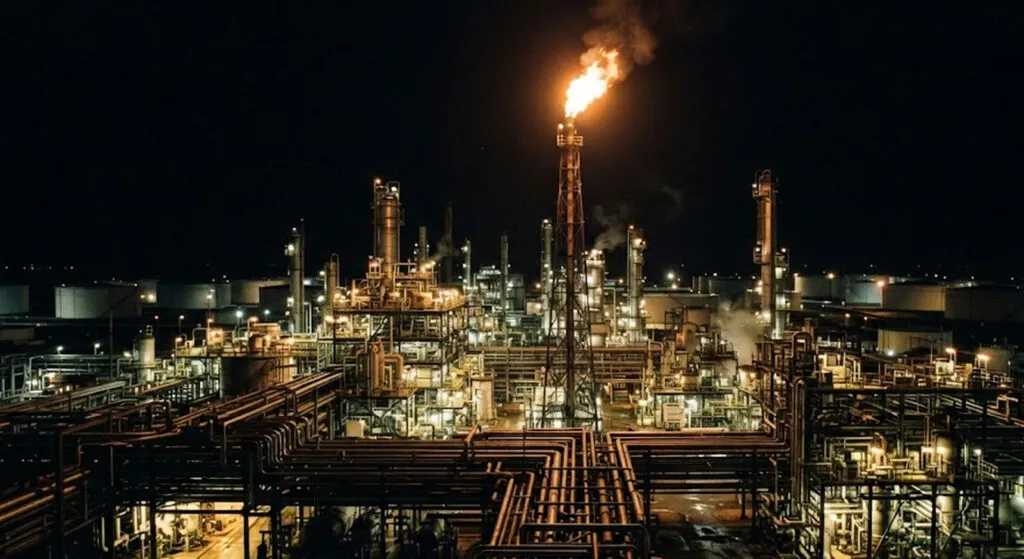
The law lets Washington hit the five biggest buyers of Russian oil with tariffs of up to 100 per cent....
Measures imposed over the war in Ukraine are now being offered as currency in an entirely different dispute. If the...

A smaller dose and more needles does not mean a safer vaccine, it means an ineffective one. Science has had...

Harald designed the sarcophagus himself, and it is shaped like a ship. The stone is 400 million years old and...

Von der Leyen proposed a status that does not exist in European law, the Canadians distanced themselves, and Washington announced...
This site uses cookies - is that okay? Learn more
Be the first to know when Metla launches something new
Leave your email and we will write when there is a new guide or something new on Metla.