
Sixteen Arrests in Twenty-Four Hours, All for Drugs: The Police Are Working - But Where Are All These People Coming From?
20.09.2026


20.09.2026

20.09.2026

20.09.2026

20.09.2026

20.09.2026

20.09.2026

20.09.2026

20.09.2026

20.09.2026

20.09.2026

20.09.2026

19.09.2026

20.09.2026

20.09.2026

20.09.2026

20.09.2026

19.09.2026

18.09.2026

20.09.2026

20.09.2026

20.09.2026

20.09.2026

20.09.2026

20.09.2026

09.03.2026

27.02.2026

19.02.2026

20.09.2026

19.09.2026

18.09.2026

23.04.2026

23.04.2026

12.04.2026


While venture-funded e-bike startups fell into bankruptcy one by one, a company that never took that kind of capital was growing - and growing fastest right now. Lectric eBikes of Phoenix, Arizona, sold nearly 30,000 bikes last month, the biggest month in the company's history. "I'm not sure anyone has ever done this, not even at the peak of covid," says CEO Levi Conlow.
The timing looks strange. Over the past two years a string of e-bike companies have gone bankrupt, shut down or been swallowed by bigger ones. The loudest fall was Rad Power Bikes - a company that raised around 330 million dollars in venture capital, at one point valued at 1.65 billion, which filed for bankruptcy protection in December. Its assets were sold for just 13.2 million dollars. From a billion and a half to thirteen million - that's the whole story of what happens when growth is built on other people's money instead of on sales.
Conlow sees opportunity where others see rubble. "For me, it just opened up the market," he says, listing a whole dozen companies that have collapsed or left the US market. "I think the market is actually short on worthy competition right now." The logic is simple: let the better-funded competitors implode, stay profitable, then expand.
And that's exactly what Lectric is doing. Conlow and co-founder Robby Deziel never took venture capital - they bootstrapped the company they founded seven years ago as childhood friends, before taking an investment from a private fund in 2020. Today it's one of the top-selling direct-to-consumer e-bike companies in the US, with 150,000 units shipped in 2025 and 90 percent of sales through its own site.
This year Lectric launched three new brands - investing around 10 million dollars - but Conlow is careful not to overstretch. "What we've learned is that Lectric can't be everything to everyone," he says, keeping the brands separate so as not to dilute the main one. There's also one detail worth noting in an era when everyone is racing to replace people with machines: none of his brands, he promises, will use artificial intelligence for customer support - only real people on the phone. Sometimes the counterpoint to hype isn't new technology, but simply patience and plain arithmetic.
The latest 10 news from this category

Porsche, Alaska Airlines and J.B. Hunt are not buying startups - they are commissioning them. When innovation moves inside the...

Sold for two billion, blocked by the state, bought back by its own investors - and now worth twice as...
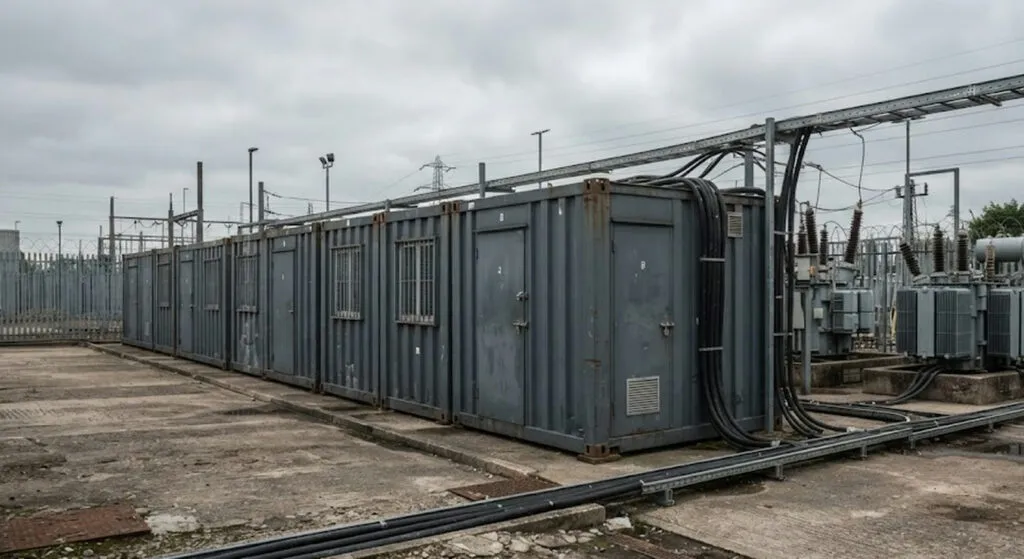
An eight-year-old firm that started out mining crypto has tripled its value in ten months. It did not discover anything...

The price of uranium has jumped 75 percent in five years, and the list of countries that mine it reads...
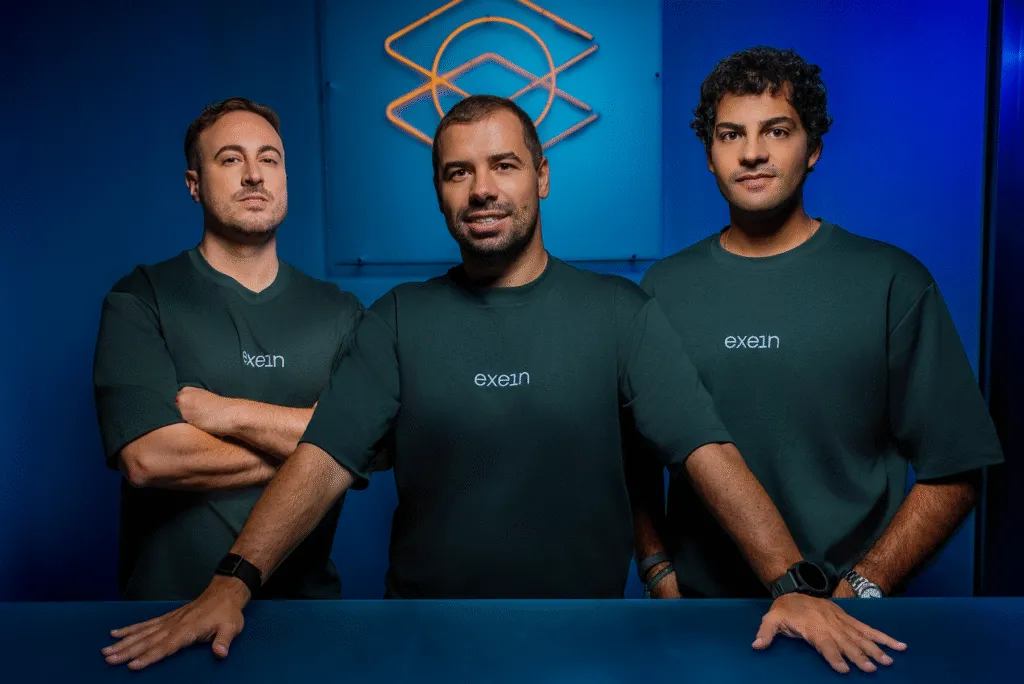
Exein raised 270 million dollars and its valuation jumped thirtyfold in two years. The European regulation coming into force in...
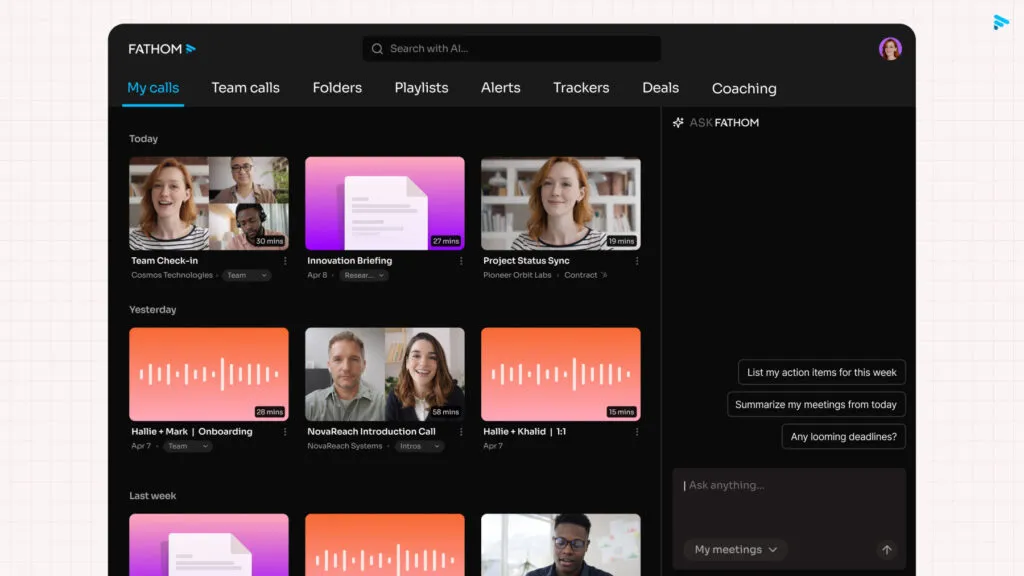
A startup valued at 94 million dollars changed hands, and both sides said openly what was being bought - not...
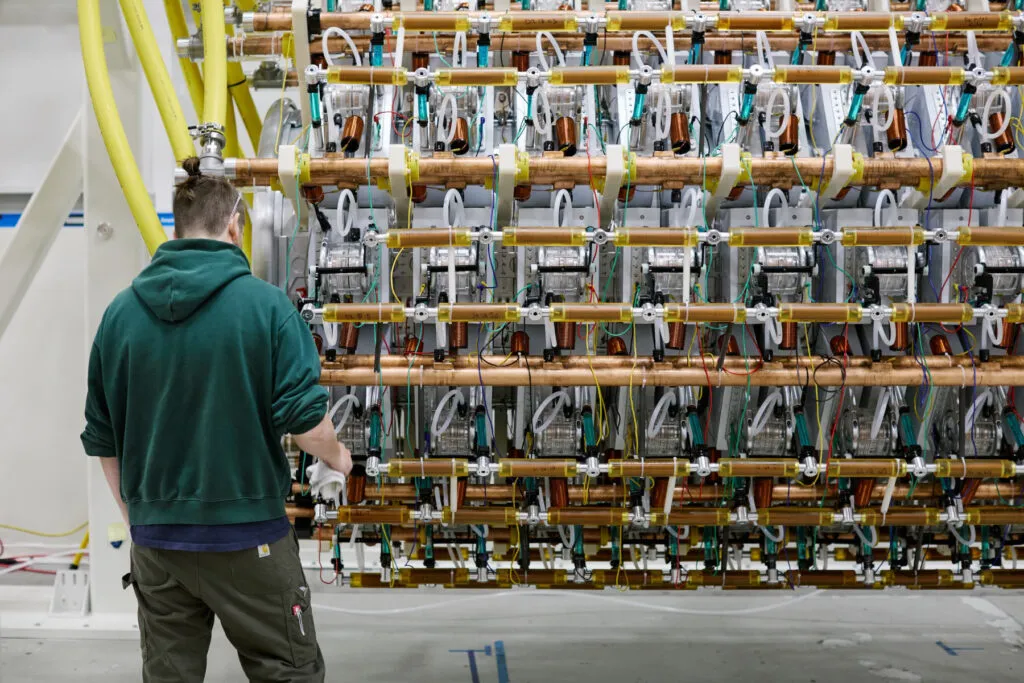
A technology sold for decades as the answer to the climate is now taking money from the defence industry. The...

The board voted, the founder kicked the administrators out of Slack and held out for three days. What does a...

Three months ago the company raised 60 million. Now it is worth almost ten times that, and its product is...

After Ohridska Banka, Sparkasse has gone after a second one. The approvals come from Podgorica, Belgrade and Frankfurt. The market...
This site uses cookies - is that okay? Learn more
Be the first to know when Metla launches something new
Leave your email and we will write when there is a new guide or something new on Metla.