
Five Tonnes of Cannabis Straight Through Customs: A Medical Licence as Cover, at Least Five Runs
18.08.2026


18.08.2026
18.08.2026

18.08.2026

18.08.2026

18.08.2026

18.08.2026

18.08.2026

17.08.2026

16.08.2026

18.08.2026

18.08.2026

17.08.2026

18.08.2026

18.08.2026

18.08.2026

18.08.2026

17.08.2026

16.08.2026

18.08.2026

18.08.2026

18.08.2026

18.08.2026

17.08.2026
17.08.2026

09.03.2026

27.02.2026

19.02.2026

18.08.2026

17.08.2026

16.08.2026

23.04.2026

23.04.2026

12.04.2026

The conversation lasted four hours. That is how long US envoy Jared Kushner needed to try to persuade Benjamin Netanyahu to accept the American peace plan for Gaza - or at least not to obstruct its implementation. A source familiar with the talks confirmed this to American media.
The plan has 15 points and Netanyahu already rejected it at the start of August. What makes this conversation more interesting than another failed diplomatic attempt is the reason he gave Kushner.
Elections as an argument against peace
According to the same source, the Israeli prime minister assessed that progress is „problematic” because of the parliamentary elections scheduled for the end of October. Polls forecast a drop in his support, so he is leaning on right-wing voters and avoiding concessions on Gaza before the vote.
That is a sentence worth reading twice. This is not a security assessment, nor a dispute over terms. This is a calendar. The peace plan is waiting because the elections come first - and anyone who has ever watched an election campaign in the Balkans knows exactly what it looks like when state policy shuts down until polling day.
Who puts down the weapons first
Instead of accepting the plan, Netanyahu told Kushner and Board of Peace director Nickolay Mladenov that Hamas has to take the first step. On Sunday the two met representatives of the Palestinian organisation in Egypt.
The core dispute is disarmament. Netanyahu demands the complete disarmament of Hamas as a condition for withdrawing the Israeli army from Gaza. Hamas says it will lay down its weapons only if that happens simultaneously with a gradual withdrawal of Israeli forces from the enclave.
Each side wants the other to move first. That is not negotiating, that is waiting - and meanwhile the calendar in Jerusalem runs faster than any diplomacy. The question is how long a peace plan can sit on the table before it stops being a plan.
The latest 10 news from this category
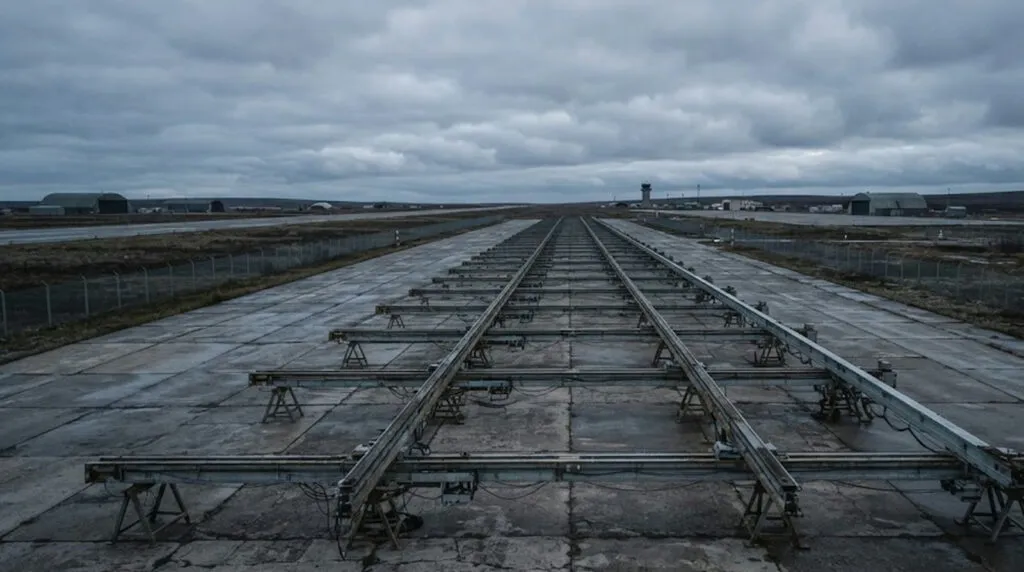
Satellite imagery and leaked documents reveal ten bases and 59 new rails for long-range drones. Russia is building infrastructure that...

The front line is not moving, the negotiating table is empty, so what remains is striking deeper into the other...

The largest air attack on the Russian capital in two years left six dead and a warehouse burning. But the...

An officer said the Kursk operation carried risk and immediately lost his post. The risk was not removed - he...

Hundreds of Ukrainian drones hit the Moscow region, and the largest warehouse of Russia's largest online retailer is on fire....

The drone flew in from Moldova, and a Spanish F-18 on a NATO mission shot it down at 5:01am. Romania...
One million three hundred thousand signed contracts, 30,000 killed and wounded a month by Western estimates - and there are...
Over 30,000 killed and wounded a month, a thousand new soldiers a day - and they only plug the holes....
Hamas accepted the 15-point plan, Israel wants genuine disarmament first. When allies agree only on the destination, negotiations come down...

The offer does not ask for an end to the war, or a withdrawal - only that grain ships not...
This site uses cookies - is that okay? Learn more
Be the first to know when Metla launches something new
Leave your email and we will write when there is a new guide or something new on Metla.