
Шест години лажни категории во возачки дозволи од шалтер во МВР: обвинети шестмина, уште 21 лице под истрага
21.09.2026


21.09.2026

21.09.2026
21.09.2026

21.09.2026

21.09.2026

21.09.2026

21.09.2026

20.09.2026

20.09.2026

21.09.2026

21.09.2026

20.09.2026

21.09.2026

21.09.2026

21.09.2026

21.09.2026

20.09.2026
19.09.2026

21.09.2026

21.09.2026

21.09.2026
21.09.2026

21.09.2026

21.09.2026

09.03.2026

27.02.2026

19.02.2026

20.09.2026

19.09.2026

18.09.2026

23.04.2026

23.04.2026

12.04.2026

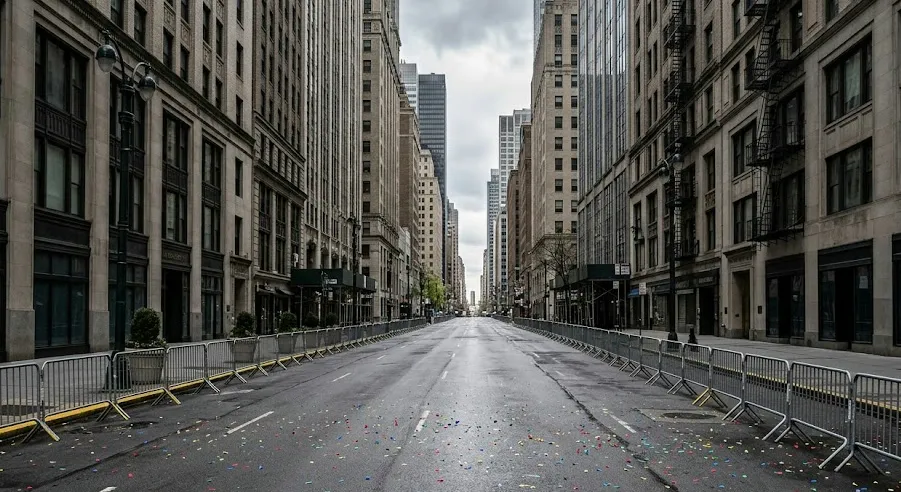
In New York, refusing to show up at a parade became front-page political news. Mayor Zohran Mamdani - the city's first Muslim mayor - decided not to take part in the traditional parade dedicated to Israel, breaking a political practice more than three decades old.
For decades, New York's mayors, governors and other officials treated attendance at this parade on Fifth Avenue as an almost mandatory ritual - a way to win the favor of the thousands present. Mamdani not only broke the custom, he announced it in advance: "During my campaign I said I wouldn't take part in the parade, and I laid out my views on the Israeli government clearly."
Two weeks earlier, his office released a video about the Nakba - the Palestinian term for the displacement of around 700,000 people during the Arab-Israeli conflict of 1948. That stoked the fire even before the parade. The reaction from part of the Jewish community was sharp: Rabbi Marc Schneier called the move "a slap in the face to every Jew in New York" and added: "Do us a favor and stay home. We don't need you. We don't want you."
Mamdani, who holds pro-Palestinian positions while at the same time recognizing Israel's right to exist, promised to protect the city's Jewish residents and highlighted his efforts against antisemitism. But in a polarized political climate, nuance rarely survives - the statement gets reduced to "for" or "against," and the space in between disappears.
For the Balkan reader, who knows well how identity and symbolism can dominate any political debate, the story is recognizable. When one absence from a parade becomes a headline, the question isn't only about Mamdani - it's about how much politics is still waged through symbols instead of deeds. Was showing up at a parade ever about values, or has it always been about votes?
The latest 10 news from this category

Три опции на масата во Вашингтон - воен притисок, економско давење или договор - а претседателот ја опишува дилемата како...
Партијата на Аденауер и Кол се лизна до изборниот праг во Мекленбург, АфД веќе бара оставка од канцеларот, а Мерц...

Two prime ministers in the same Union, the same month, completely opposite diagnoses of who is provoking whom. There is...

A broken aircraft in a field usually ends up in a police note. This one ended up with federal investigators,...

Beijing will easily find another supplier. The harder question is what Washington is actually testing: whether private Chinese companies will...

The law lets Washington hit the five biggest buyers of Russian oil with tariffs of up to 100 per cent....
Measures imposed over the war in Ukraine are now being offered as currency in an entirely different dispute. If the...

A smaller dose and more needles does not mean a safer vaccine, it means an ineffective one. Science has had...
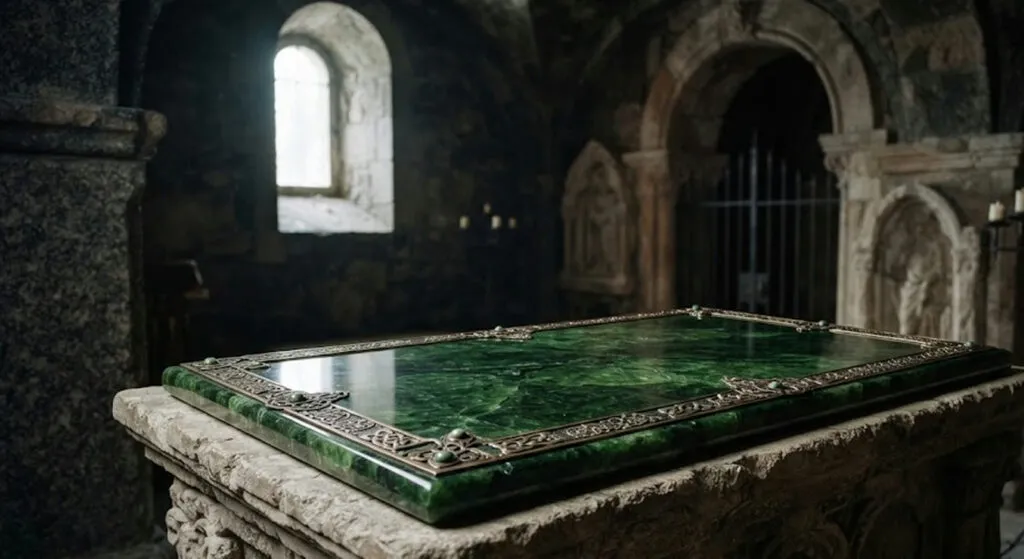
Harald designed the sarcophagus himself, and it is shaped like a ship. The stone is 400 million years old and...

Von der Leyen proposed a status that does not exist in European law, the Canadians distanced themselves, and Washington announced...
This site uses cookies - is that okay? Learn more
Be the first to know when Metla launches something new
Leave your email and we will write when there is a new guide or something new on Metla.