
A New Criminal Complaint Against Jakimovski: A Building Permit Based on a Plan Struck Down Back in 2018
16.09.2026


16.09.2026

16.09.2026

16.09.2026

16.09.2026

16.09.2026

16.09.2026

16.09.2026

15.09.2026

14.09.2026

16.09.2026

16.09.2026

15.09.2026

16.09.2026

15.09.2026

14.09.2026

16.09.2026

16.09.2026

16.09.2026

16.09.2026

15.09.2026
15.09.2026

09.03.2026

27.02.2026

19.02.2026

16.09.2026

15.09.2026

14.09.2026

23.04.2026

23.04.2026

12.04.2026


Nitter and XCancel - the two services that made it possible to read posts from X without an account, without ads and without tracking - look this time to have gone dark for good. Nitter's GitHub page has been archived since Friday 11 September, meaning the project is read-only and can no longer be changed. XCancel halted its service on Monday with a short message: due to new developments in ongoing legal proceedings, the service is suspended until further notice.
The story began last month, when X sent Nitter a cease and desist letter over alleged "unlawful use and circumvention" of its programming interface and data. The accusation was that Nitter scraped the network to obtain accounts and session tokens, against the rules. The project replied at the time that on legal advice it would carry on operating, and in early September both services did indeed return. Briefly.
What Nitter did was technically unspectacular and useful for exactly that reason: it took public posts from X and stripped out the ads, the tracking cookies and the JavaScript. What remained was a clean page of text, readable without an account and without an app. For a portion of users this was not a question of convenience - it was the only way to see what was happening on a network they do not want to be present on.
From X's side the logic is transparent and needs no interpretation. Anyone reading without an account is a view that generates no advertising revenue and does not count towards the user numbers. The same calculation at Twitter a few years ago closed off third-party apps and took Twitterrific and Tweetbot with it. This is not a new policy - it is the same policy, applied to the next group.
It was not the first attempt, but it appears to have been the last one needed. In 2024 the main Nitter.net instance briefly went down after X introduced new restrictions on its programming interface. Since then, anyone wanting to host Nitter themselves had to link it to a real X account - which means the network already had a hand at the project's throat. This time it simply squeezed.
Nitter did not respond to a request for comment. That is hardly surprising - when an open-source project faces the legal department of a company owned by one of the richest men in the world, silence is the only free strategy available to it.
What remains is a question that stopped being technical long ago. The public posts of public figures - politicians, ministers, institutions - are increasingly read only inside the platform, on its terms and through its algorithm. When the tools that allowed reading from the outside disappear one by one, a minister's statement becomes content owned by a private company. Who decides then what is public?
The latest 10 news from this category

A researcher resigned saying the industry is gambling with our lives. A warning can be sincere and at the same...

It was free while the company wanted you to use the tool. Now that you are using it, the tariff...
A scientist at the same company puts the probability of human extinction above 10 percent within the next decade. The...

The president called in while the event was running, and the man who makes the chips answered that there would...
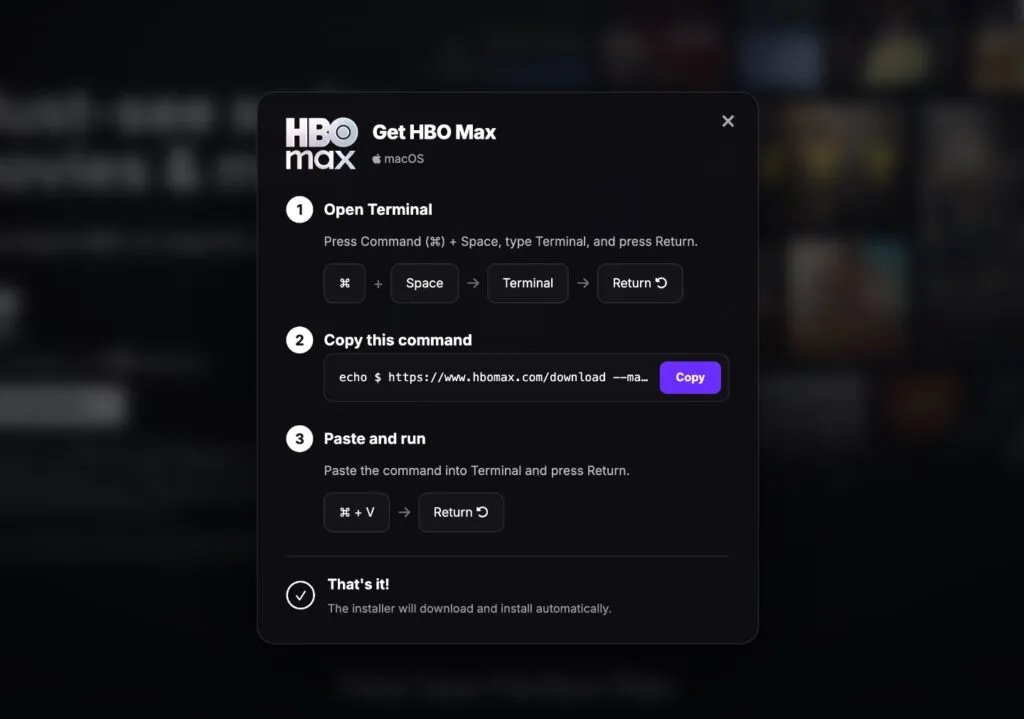
No virus attached, no suspicious file. Just a box that looks like the "I am not a robot" check and...

A researcher quit because the firms are gambling with our lives. Instead of denying it, Anthropic confirmed it - with...

Write a sentence, get a game. Until now it worked only in New Zealand, now in Belgrade too. Creators on...

When the two biggest firms in an industry ask for rules on how fast anyone may run, the rules rarely...

Not a single password fell. What fell was the assumption that a request from a government domain is automatically a...
The biggest names in mathematics have signed a letter against the AI labs. The dispute is not whether the machine...
This site uses cookies - is that okay? Learn more
Be the first to know when Metla launches something new
Leave your email and we will write when there is a new guide or something new on Metla.