


Kratovo man stabs police officer mid-intervention: prosecutors want the 40-year-old detained
15.09.2026


15.09.2026

15.09.2026
15.09.2026

15.09.2026

15.09.2026
15.09.2026

15.09.2026

14.09.2026

13.09.2026

15.09.2026

15.09.2026
14.09.2026
15.09.2026
15.09.2026

15.09.2026

15.09.2026
14.09.2026

13.09.2026
15.09.2026

15.09.2026

15.09.2026

15.09.2026

15.09.2026

14.09.2026

09.03.2026

27.02.2026

19.02.2026

15.09.2026
14.09.2026
14.09.2026

23.04.2026

23.04.2026

12.04.2026

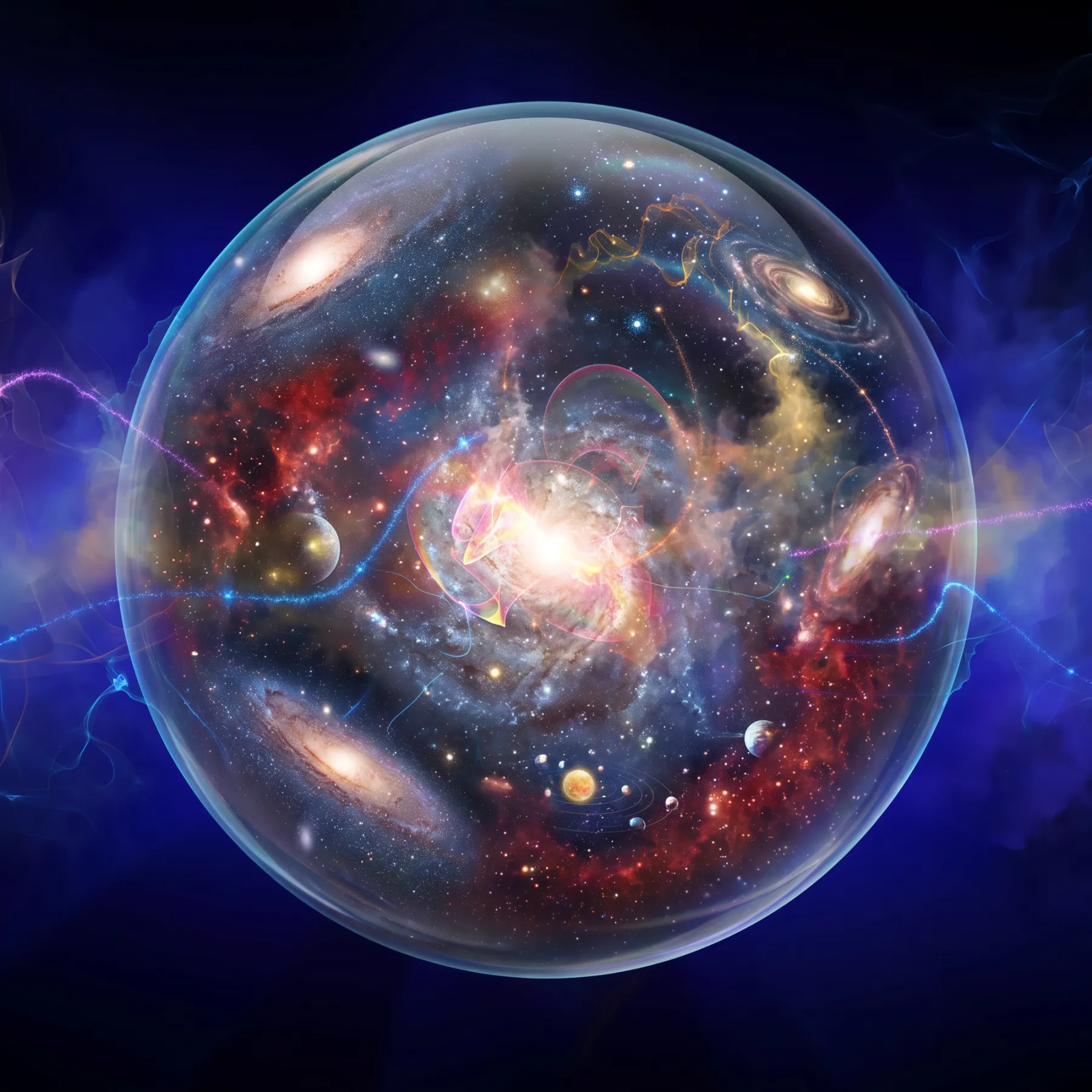
Picture a laboratory with no clock, where time still starts to flow - out of itself. That is literally what a physicist in Birmingham pulled off, and the result reopens a question people have been asking since consciousness existed: what is time, really?
Giovanni Barontini from the University of Birmingham published a paper describing how he created, in the lab, something he calls a „miniature universe”. The base is 24,000 rubidium atoms, cooled almost to absolute zero - the point where matter stops obeying the rules of the everyday world and starts obeying the rules of quantum physics. Those atoms form what is called a Bose-Einstein condensate, a state in which thousands of atoms behave as one.
The system was split into two parts. The question was simple, but enormous: does time have to come from outside, like some universal clock ticking for everyone, or can it grow from within, out of the changes inside a closed system?
The answer he got is fascinating. When entropy - crudely put, the measure of disorder - flowed from one part to the other, „internal time” moved forward. When the exchange slowed down, so did time. And when the two parts reached equilibrium, internal time simply - stopped. No external clock, no external force. Time existed only as long as something was changing.
Why does this matter? Because physics hides an uncomfortable secret. Almost all fundamental laws of nature work the same forwards and backwards in time - the equations do not know what is „past” and what is „future”. And yet we live time only in one direction. Coffee cools, it never warms up by itself. A shattered glass never reassembles. Why?
The paper offers a provocative answer: perhaps the arrow of time, that sense that time only moves forward, „emerges from ignorance”. Any observer, to measure a system, has to give up part of the information about it. And it is precisely that sacrifice that creates a direction - that creates past and future.
For now this is an experiment under controlled conditions, not the last word on the nature of time. But there is something deeply Balkan in the idea. Time is not an absolute master ticking over us - it flows only where something is changing. How many societies in this part of the world stalled precisely because they stopped changing? Maybe the physicists in Birmingham accidentally described a little more than atoms.
The latest 10 news from this category
Trump scaled back the military exercises to ease the tension, and Wonsan answered in the form of projectiles. What does...

The sanctions list got a seven-day extension instead of one measured in months, a move diplomats themselves call unprecedented. Two...
Switzerland offered a table for talks on Ukraine, Moscow replied that the table stopped being neutral once Bern adopted EU...
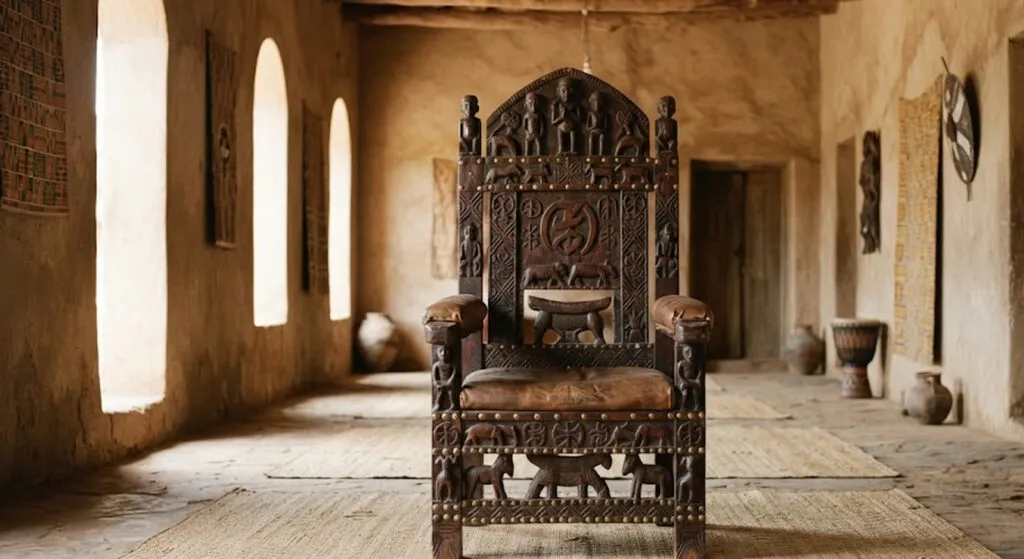
The will says one thing, a committee of twenty-one men decided another. The queen mother says the army pulled the...
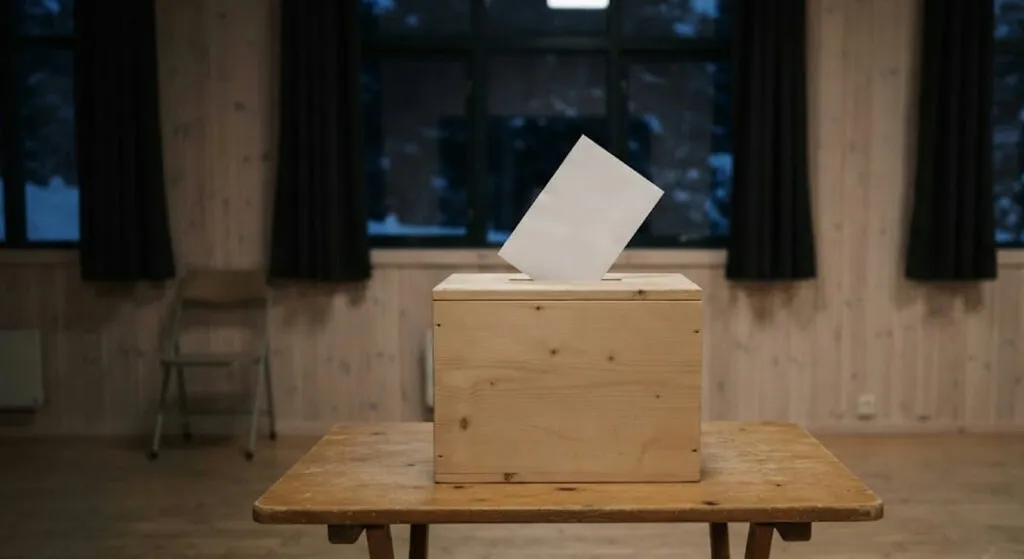
A country that was Europe's byword for stability for decades now has a parliament split into two blocs by a...
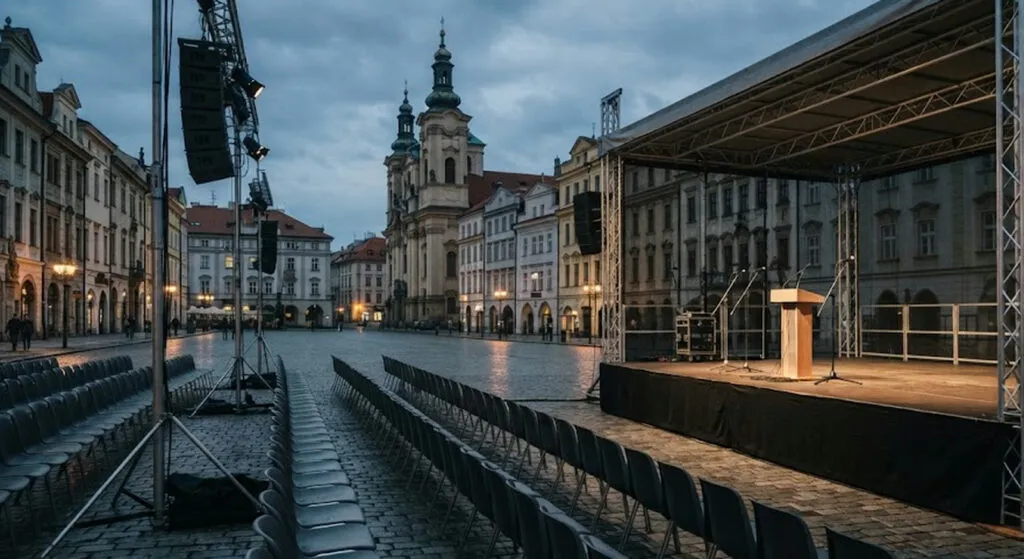
Sixteen years in power, defeat at a regular election, five months of quiet - and now the election result is...

When an institution with a legal department and a palace apparatus has to publish a list of its verified accounts,...
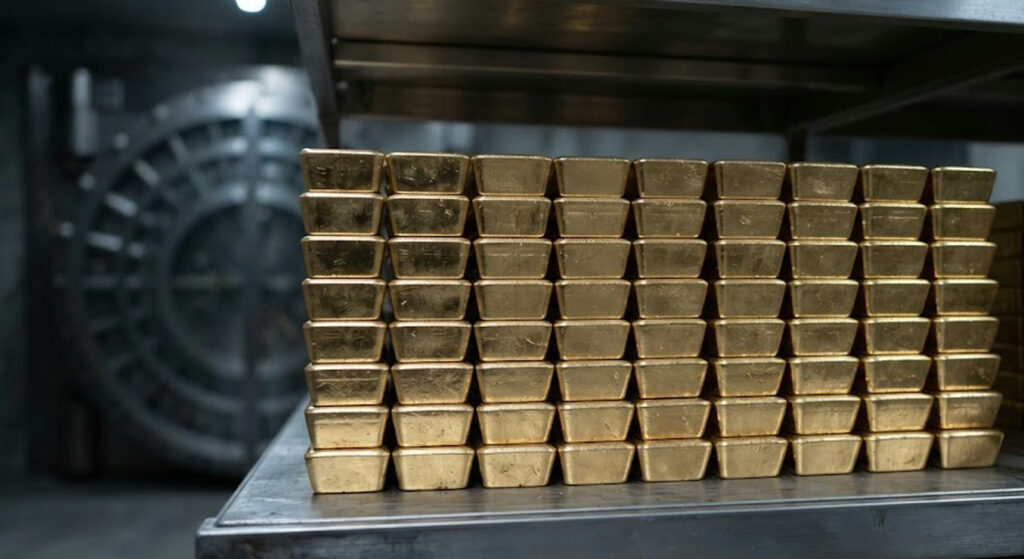
Nobody said they do not trust Washington. Everyone is behaving as though they do not - gold, weapons, the cloud...
The warning reached the president three years before 9/11. The problem was not a lack of information, but that nobody...
In 1976 tradition demanded the future king choose a bride with no past. Thirty years later that same king married...
This site uses cookies - is that okay? Learn more
Be the first to know when Metla launches something new
Leave your email and we will write when there is a new guide or something new on Metla.
