

Kratovo man stabs police officer mid-intervention: prosecutors want the 40-year-old detained
15.09.2026


15.09.2026

15.09.2026
15.09.2026

15.09.2026
15.09.2026
15.09.2026

15.09.2026

14.09.2026

13.09.2026

15.09.2026

15.09.2026

14.09.2026

15.09.2026

15.09.2026

15.09.2026

15.09.2026

14.09.2026

13.09.2026

15.09.2026

15.09.2026

15.09.2026

15.09.2026

15.09.2026

14.09.2026

09.03.2026

27.02.2026

19.02.2026

15.09.2026

14.09.2026

14.09.2026

23.04.2026

23.04.2026

12.04.2026

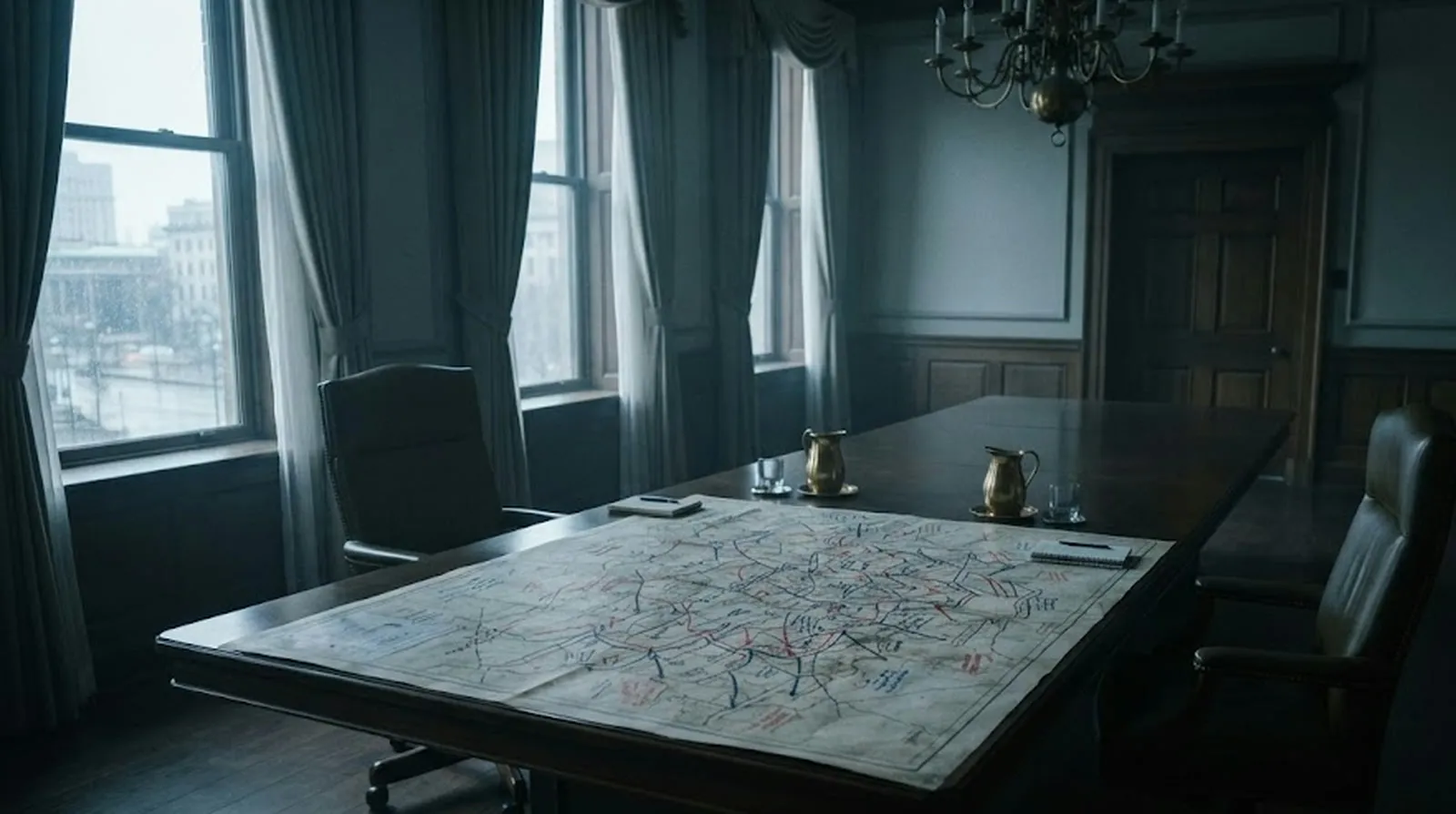
Moscow no longer talks about concessions. Instead, it talks about buffer zones - which in diplomatic language means territories it has no intention of returning. According to sources close to the Kremlin, Russia plans to permanently keep parts of the Sumy and Kharkiv regions as a „protective belt”, and will only sit down for talks once it fully controls the Donetsk region.
The shift is clear. If until recently there were signals that Russia might consider territorial concessions in exchange for peace, those signals have gone out. The cause, it is claimed, is the sharp messages from Washington and the collapsed informal agreements from the Alaska summit itself between Putin and Trump last August.
The dispute over what was actually agreed in Alaska is still going on. Secretary of State Rubio said on 25 June that „there were proposals, but there was no agreement”. Russian Foreign Minister Lavrov shot back that an agreement on proposals is de facto an agreement. When the two sides cannot agree even on what happened at a single meeting, it is hard to expect an agreement on the fate of entire regions.
And that fate is bloodily concrete. Russia is demanding that Ukraine hand over the entire Donetsk region - including territories the Russian army has not captured since 2014. In other words, it is demanding the surrender of land it has not even taken on the ground. One source from the Ministry of Defence estimates that full control over Donetsk would be possible by the end of 2026; another says 2027 is more credible.
In the meantime, the war does not wait for diplomacy. Ukraine has carried out strikes deep in Russian territory, including hits on Moscow and refineries. The talks have stood frozen since February. Every month that passes is a month in which the borders are drawn by the front line, not by the negotiating table.
For the Balkans, which remember their own borders drawn by war and by negotiations that lasted decades, this scene is not foreign. When territory changes by artillery, and not by ink, agreements signed later only legalise what the guns have already decided. Does Europe really think such a precedent will stay far from it?
The latest 10 news from this category
Between 2,300 and 3,000 North Korean soldiers have died in Kursk so far. Kim Jong Un has found an export...
A NATO fighter jet downed an unmanned aircraft over Lithuania minutes after midnight, and citizens got the warning on their...
The train was empty, the locomotive damaged, nobody hurt. But Boris Johnson and a group of European security advisers had...
453 drones in one night, 405 shot down - and the forty-eight that got through land somewhere. Poland's prime minister...

Trump's son-in-law told an audience in Kyiv the deal is done - if Ukraine withdraws. And added that the battlefield...
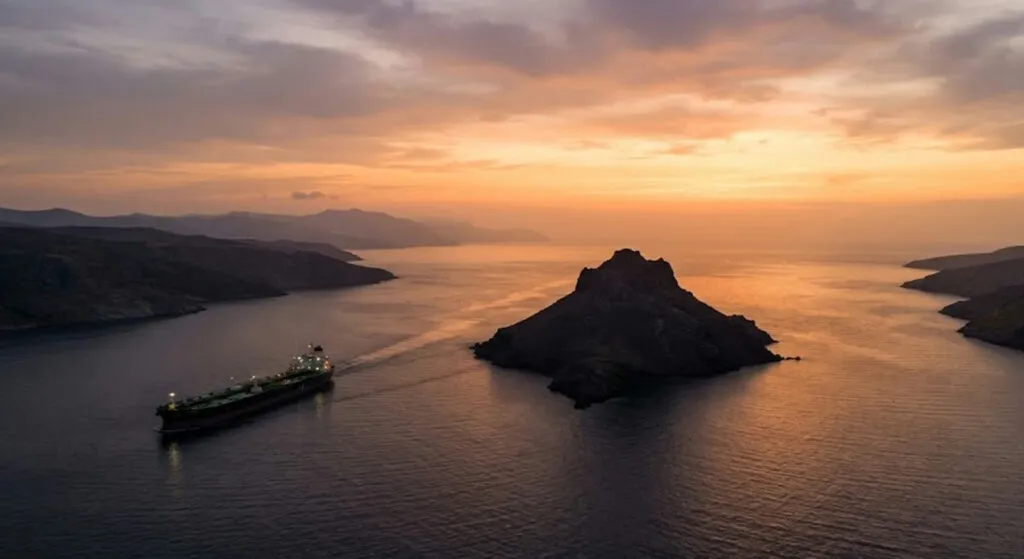
A barren volcanic rock in the middle of a strait 28 kilometres wide changed the oil market in a single...
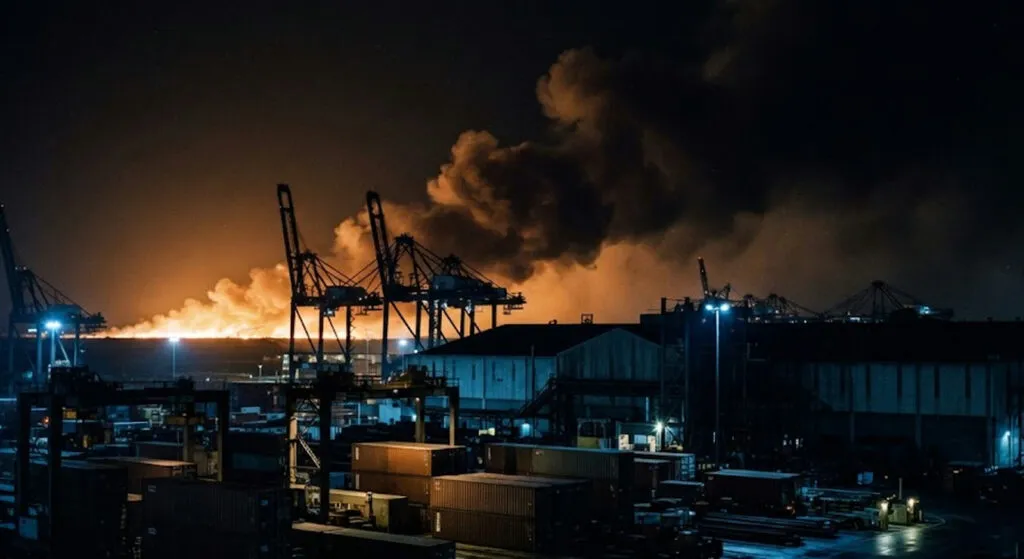
Hostomel, Odesa, Kryvyi Rih - targets that are not the front line but the supply chain. A war against the...

We don't want war with Europe, but here is exactly how that war would start. He said both sentences in...

When an army recalls its special forces with a 12-hour deadline, that is not a rota but a signal. The...

Port infrastructure in Makhachkala and the theatre building caught fire, the governor said. Moscow claims it shot down 448 drones...
This site uses cookies - is that okay? Learn more
Be the first to know when Metla launches something new
Leave your email and we will write when there is a new guide or something new on Metla.
