
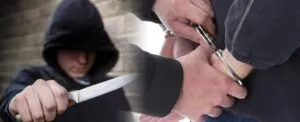
Kratovo man stabs police officer mid-intervention: prosecutors want the 40-year-old detained
15.09.2026


15.09.2026
15.09.2026
15.09.2026
15.09.2026
15.09.2026
15.09.2026

15.09.2026

14.09.2026

13.09.2026

15.09.2026

15.09.2026
14.09.2026
15.09.2026
15.09.2026

15.09.2026

15.09.2026

14.09.2026

13.09.2026
15.09.2026

15.09.2026

15.09.2026

15.09.2026

15.09.2026

14.09.2026

09.03.2026

27.02.2026

19.02.2026

15.09.2026
14.09.2026
14.09.2026

23.04.2026

23.04.2026

12.04.2026

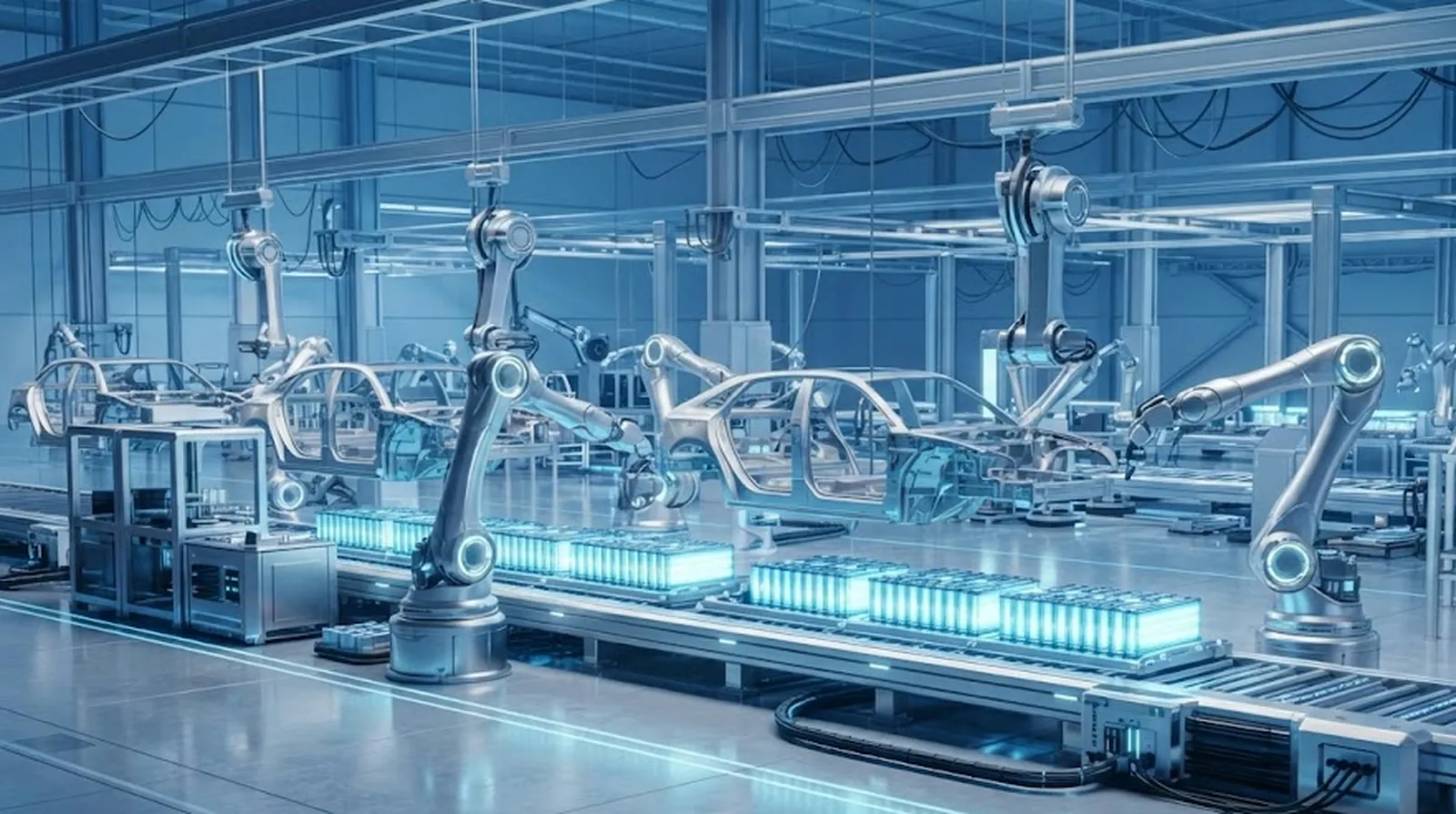
Tesla promised three times that this year it would start mass-producing three new products - the Cybercab robotaxi, the Semi truck and the Megapack 3 energy battery. Now, quietly, in a letter to shareholders, those promises have vanished. None of the three will reach „high-volume production” in 2026.
The letter also lost the sentence about the Optimus robot, which was previously also meant to enter mass production. The reason? Batteries. The company says it must first ramp up its own production of battery cells - specifically the 4680 model - before it can build anything at series scale.
„This will be the hardest product to manufacture we have ever made at Tesla, because everything on the robot is new,” CEO Elon Musk admitted about Optimus on the conference call. It is rare for Musk to admit something is hard - usually the dates fly around like promises at a campaign rally. This time, at least, there is a dose of realism.
The numbers behind this show a firm spending far more than it earns. Revenue grew by 26 percent to 28.2 billion dollars, but net profit fell by 5 percent to 1.1 billion. Operating expenses jumped by 47 percent to 4.3 billion, and free cash flow was negative - minus one billion dollars, against plus 1.44 billion the previous quarter.
Most of the money still comes from the old, „boring” business - selling electric cars. Tesla delivered over 480,000 vehicles for the quarter, its best result since last autumn, with record sales in several markets outside the US - South Korea, Australia, Japan, Taiwan, Portugal, Slovenia, Lithuania and others. Subscriptions to the autonomous driving system (FSD) reached 1.48 million, a jump of 56 percent.
So the company that wants to stop being a car maker and become an artificial-intelligence and robotics firm - still lives precisely off those cars. Operating income fell by 57 percent, to just 398 million dollars. Musk announced capital spending of 25 billion dollars for 2026, three times the historical average.
A year ago Tesla called that quarter a „turning point” in the shift from car maker to leader in „artificial intelligence, robotics and related services”. A year later, the turning point is still going on, the dates are slipping, and the bill is growing. The question for anyone thinking of buying shares or waiting for a Cybercab outside their door is simple: how long can a company live on promises about the future, while the present is paid for by the old models?
The latest 10 news from this category
A scientist at the same company puts the probability of human extinction above 10 percent within the next decade. The...
The president called in while the event was running, and the man who makes the chips answered that there would...
No virus attached, no suspicious file. Just a box that looks like the "I am not a robot" check and...
A researcher quit because the firms are gambling with our lives. Instead of denying it, Anthropic confirmed it - with...
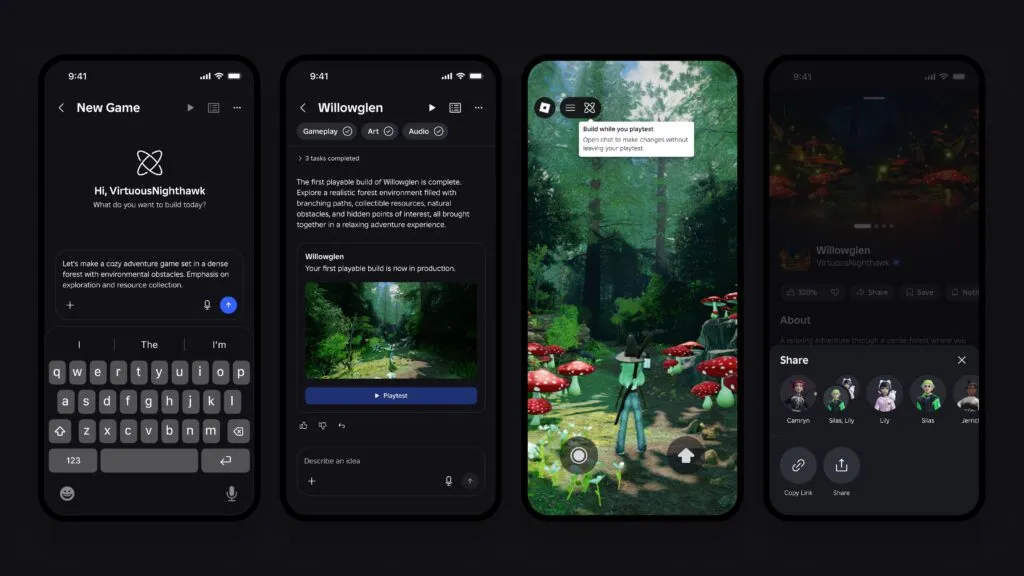
Write a sentence, get a game. Until now it worked only in New Zealand, now in Belgrade too. Creators on...
When the two biggest firms in an industry ask for rules on how fast anyone may run, the rules rarely...
Not a single password fell. What fell was the assumption that a request from a government domain is automatically a...
The biggest names in mathematics have signed a letter against the AI labs. The dispute is not whether the machine...

Five campaigns, 200 million exchanges, and the defences fell to a request for a Japanese translation. The industry that harvested...

The hackers were inside for a whole year. The company confirmed it only after a journalist found his own licence...
This site uses cookies - is that okay? Learn more
Be the first to know when Metla launches something new
Leave your email and we will write when there is a new guide or something new on Metla.
