

Kratovo man stabs police officer mid-intervention: prosecutors want the 40-year-old detained
15.09.2026


15.09.2026

15.09.2026

15.09.2026

15.09.2026
15.09.2026

15.09.2026

15.09.2026

14.09.2026

13.09.2026

15.09.2026

15.09.2026

14.09.2026

15.09.2026

15.09.2026

15.09.2026

15.09.2026

14.09.2026

13.09.2026

15.09.2026

15.09.2026

15.09.2026

15.09.2026

15.09.2026

14.09.2026

09.03.2026

27.02.2026

19.02.2026

15.09.2026

14.09.2026

14.09.2026

23.04.2026

23.04.2026

12.04.2026

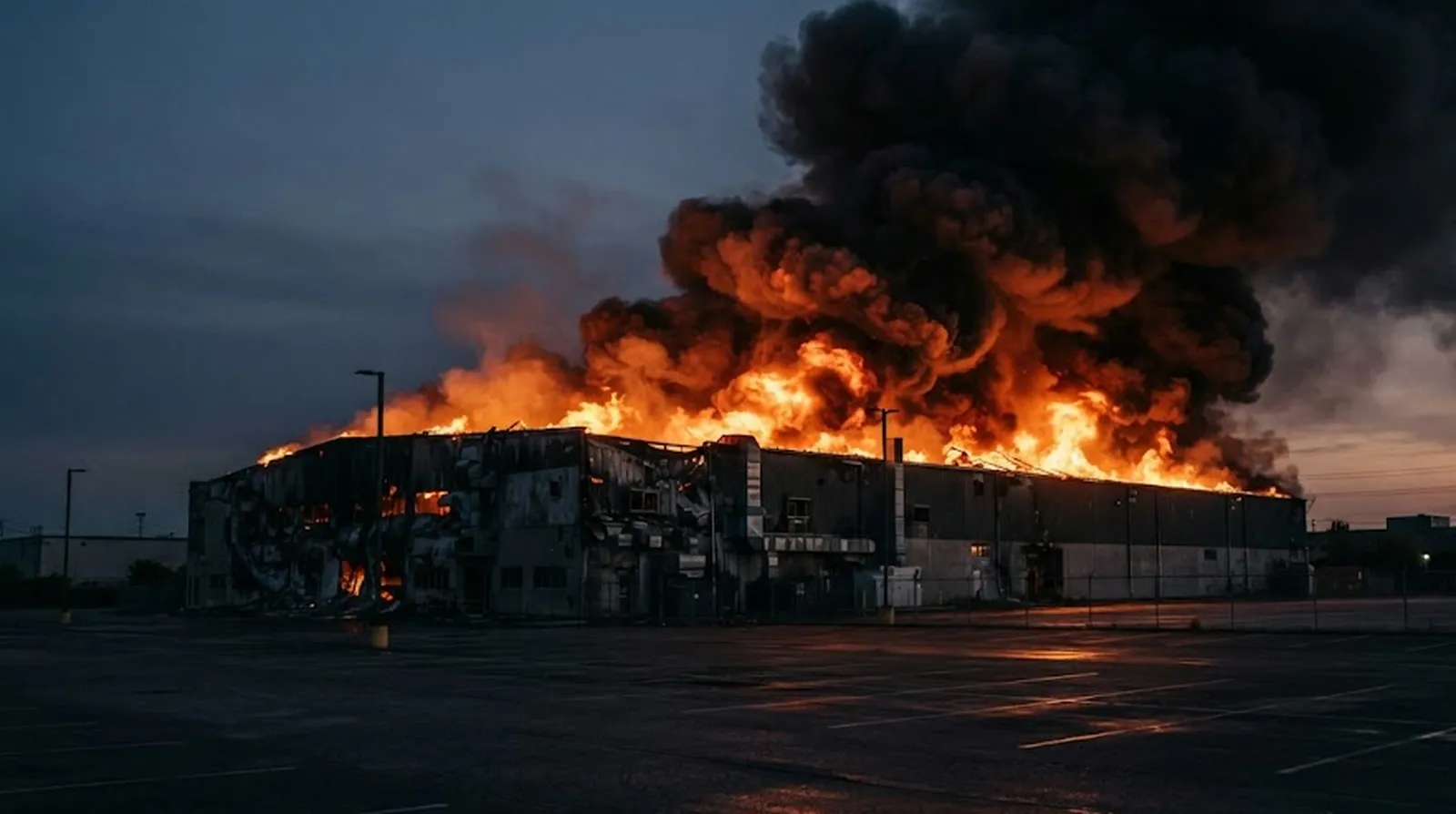
The war left the trench long ago and entered the warehouse. Ukraine has destroyed two more large Wildberries warehouses - the biggest Russian online store, the Russian version of Amazon - in attacks on facilities near Krasnodar and in Stavropol. The estimated damage ranges between 150 and 230 billion rubles, or around two billion dollars. That is not a random target, it is a message.
Wildberries, founded in 2004, holds over 40 percent of the Russian retail market and generates annual revenue of over 30 billion dollars. But the platform does not only sell clothes and cosmetics - it also sells drones and military equipment, and serves as a channel for evading sanctions worth hundreds of millions a year. In other words, Ukrainian drones are not hitting ordinary internet shopping, but part of the machinery that feeds the Russian war economy.
The most cynical thing is the reaction of the company itself. Wildberries announced it would not compensate its sellers for the damage. On 7 July, just days before the attacks, it changed the terms of business - it deleted the „force majeure” clauses and explicitly excluded any compensation related to war. Someone in management clearly knew what was coming, and protected themselves in advance - on the backs of the small traders.
This is the face of modern warfare: it is not only the bridge that gets destroyed, it is the supply chain. Since 2022, Russia has systematically targeted Ukrainian hospitals, power plants and logistics centres. Now Ukraine is hitting back with the same logic - if infrastructure is a weapon, then the warehouse is a front too.
For the Balkans, which remember well what it looks like when the economy turns into a battlefield, this picture is not foreign. When war hits warehouses, prices, jobs and supply, it is ordinary people far from the front who suffer - the trader who will not get their goods back, the buyer who will not receive the parcel. War always costs the most for those who wanted it least.
And the question hanging in the air is simple: when an „ordinary” online store becomes a legitimate military target, where is the line drawn between civilian and military any more? The answer, we fear, is written by the missiles - not by the lawyers.
The latest 10 news from this category
Between 2,300 and 3,000 North Korean soldiers have died in Kursk so far. Kim Jong Un has found an export...
A NATO fighter jet downed an unmanned aircraft over Lithuania minutes after midnight, and citizens got the warning on their...
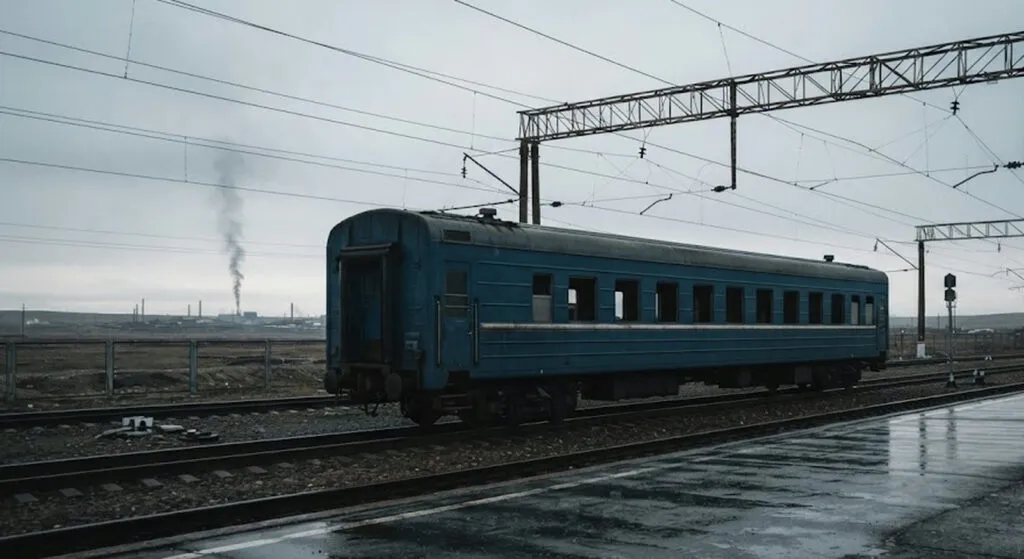
The train was empty, the locomotive damaged, nobody hurt. But Boris Johnson and a group of European security advisers had...
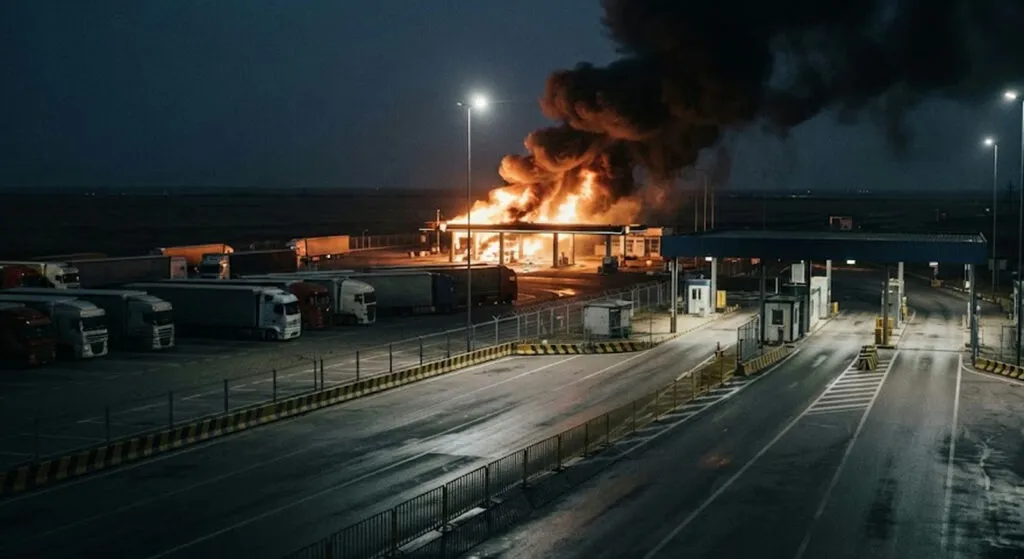
453 drones in one night, 405 shot down - and the forty-eight that got through land somewhere. Poland's prime minister...

Trump's son-in-law told an audience in Kyiv the deal is done - if Ukraine withdraws. And added that the battlefield...

A barren volcanic rock in the middle of a strait 28 kilometres wide changed the oil market in a single...
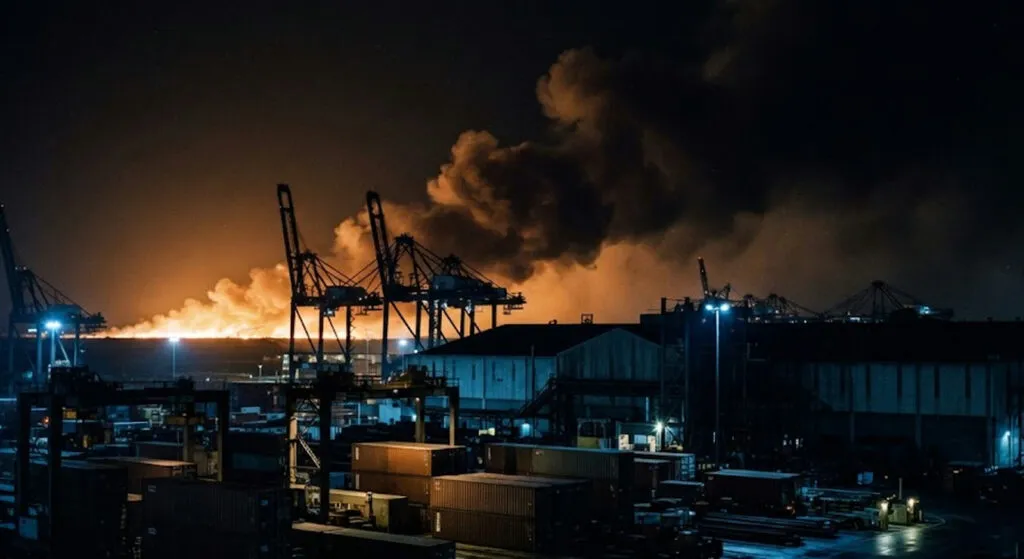
Hostomel, Odesa, Kryvyi Rih - targets that are not the front line but the supply chain. A war against the...

We don't want war with Europe, but here is exactly how that war would start. He said both sentences in...

When an army recalls its special forces with a 12-hour deadline, that is not a rota but a signal. The...

Port infrastructure in Makhachkala and the theatre building caught fire, the governor said. Moscow claims it shot down 448 drones...
This site uses cookies - is that okay? Learn more
Be the first to know when Metla launches something new
Leave your email and we will write when there is a new guide or something new on Metla.
