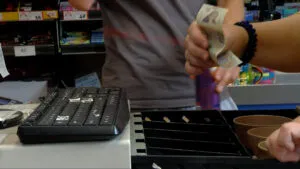
Шест години лажни категории во возачки дозволи од шалтер во МВР: обвинети шестмина, уште 21 лице под истрага
21.09.2026


21.09.2026
21.09.2026
21.09.2026
21.09.2026

21.09.2026
21.09.2026

21.09.2026

20.09.2026
20.09.2026
21.09.2026

21.09.2026

20.09.2026
21.09.2026

21.09.2026
21.09.2026
21.09.2026

20.09.2026
19.09.2026
21.09.2026

21.09.2026
21.09.2026
21.09.2026
21.09.2026

21.09.2026

09.03.2026

27.02.2026

19.02.2026
20.09.2026
19.09.2026
18.09.2026

23.04.2026

23.04.2026

12.04.2026

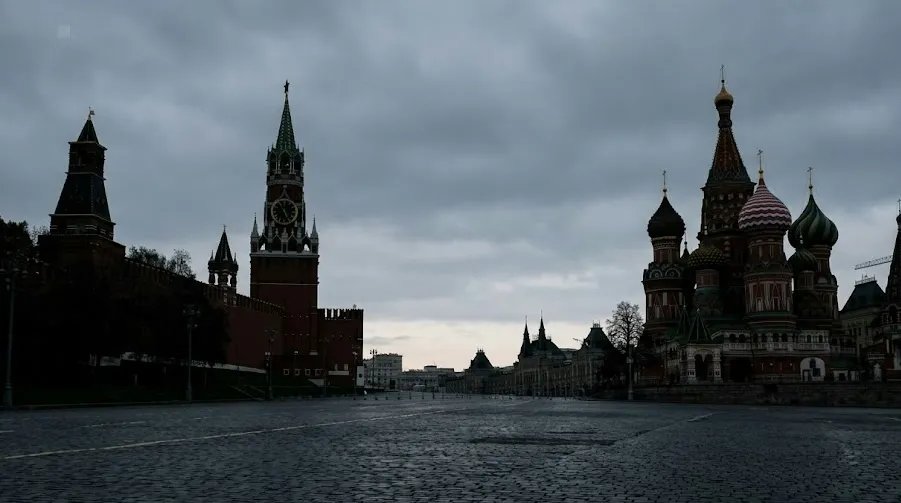
The West dreams of a liberal Russia after Putin - democracy, elections, an opening to the world. A new analysis says that dream is naive, for a simple reason: the structures that rule Russia today have no interest whatsoever in a transition. And when the elite has no interest in change, change doesn't come, no matter who sits at the top.
The mistake of Western analyses, the piece argues, is that they start from the assumptions of liberal democracy as the only possible outcome. But functional societies develop in other ways too - China, Singapore, South Korea are examples that stability and power don't automatically mean a Western model. To expect Russia to take that road just because Putin is gone is to measure the world by a single yardstick.
The second reason is Russia itself - a country without internal cohesion. Residents of the western urban centers think like European citizens, while the vast eastern expanses depend on central control from Moscow and St. Petersburg. Remote regions like Yakutia were artificially populated for resource extraction and can hardly nurture democratic aspirations while fighting for survival. One country, countless different realities.
But the most important obstacle is the elite. Unlike in the Soviet era, today's Russian elites have no ideology - they have interests. Putin built power through networks of loyalty, a system of clans in which the oligarchs function as state managers. And the shift to a war economy spawned new factions for whom military spending is bread - and who would lose everything from peace.
Hence the conclusion that doesn't sound encouraging. A liberal successor who wanted to end the war in Ukraine would trigger the collapse of the military-industrial complex and threaten the interests of the very people who hold the system together. The more likely successor, the analysis says, is some hard man from the security apparatus - a manager of force who will keep cold-war conditions going. The Balkans recognize this logic well: when power and money are tied into the same knot, whoever promises to change nothing always has the edge over whoever promises change.
The latest 10 news from this category
Три опции на масата во Вашингтон - воен притисок, економско давење или договор - а претседателот ја опишува дилемата како...
Партијата на Аденауер и Кол се лизна до изборниот праг во Мекленбург, АфД веќе бара оставка од канцеларот, а Мерц...
Two prime ministers in the same Union, the same month, completely opposite diagnoses of who is provoking whom. There is...
A broken aircraft in a field usually ends up in a police note. This one ended up with federal investigators,...

Beijing will easily find another supplier. The harder question is what Washington is actually testing: whether private Chinese companies will...
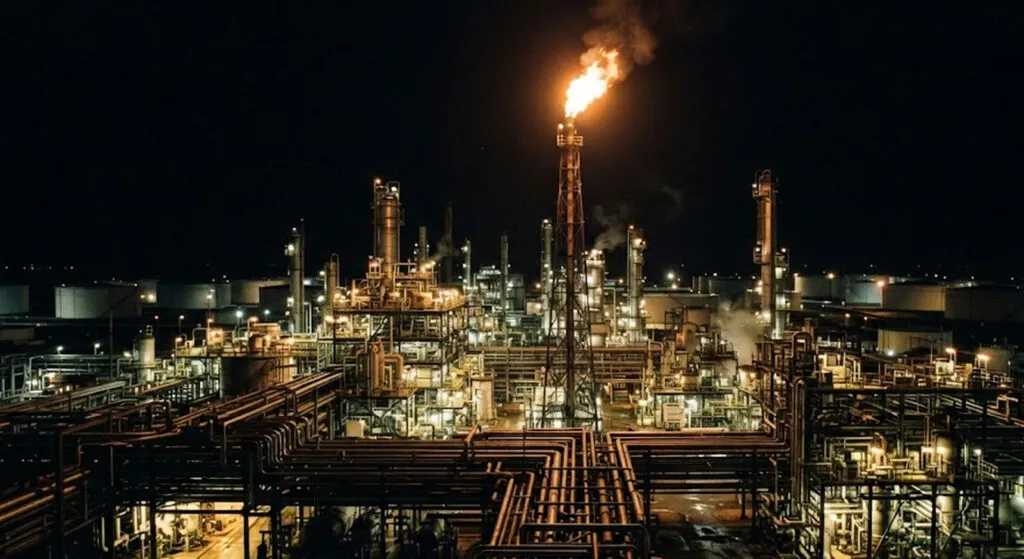
The law lets Washington hit the five biggest buyers of Russian oil with tariffs of up to 100 per cent....
Measures imposed over the war in Ukraine are now being offered as currency in an entirely different dispute. If the...

A smaller dose and more needles does not mean a safer vaccine, it means an ineffective one. Science has had...
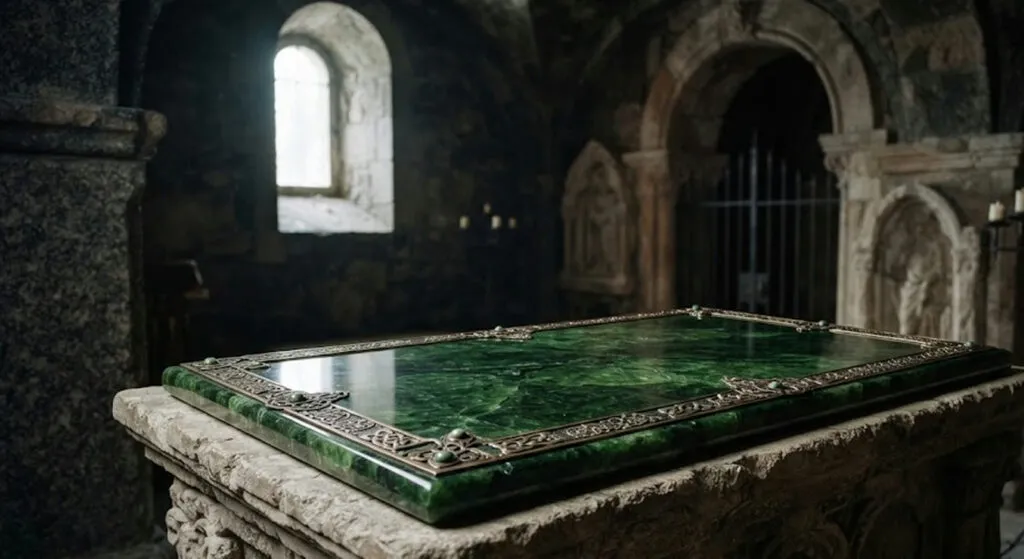
Harald designed the sarcophagus himself, and it is shaped like a ship. The stone is 400 million years old and...

Von der Leyen proposed a status that does not exist in European law, the Canadians distanced themselves, and Washington announced...
This site uses cookies - is that okay? Learn more
Be the first to know when Metla launches something new
Leave your email and we will write when there is a new guide or something new on Metla.