


Kratovo man stabs police officer mid-intervention: prosecutors want the 40-year-old detained
15.09.2026


15.09.2026

15.09.2026
15.09.2026
15.09.2026
15.09.2026

15.09.2026

15.09.2026

14.09.2026
13.09.2026

15.09.2026

15.09.2026

14.09.2026

15.09.2026

15.09.2026

15.09.2026

15.09.2026

14.09.2026

13.09.2026
15.09.2026

15.09.2026

15.09.2026

15.09.2026

15.09.2026

14.09.2026

09.03.2026

27.02.2026

19.02.2026

15.09.2026

14.09.2026
14.09.2026

23.04.2026

23.04.2026

12.04.2026

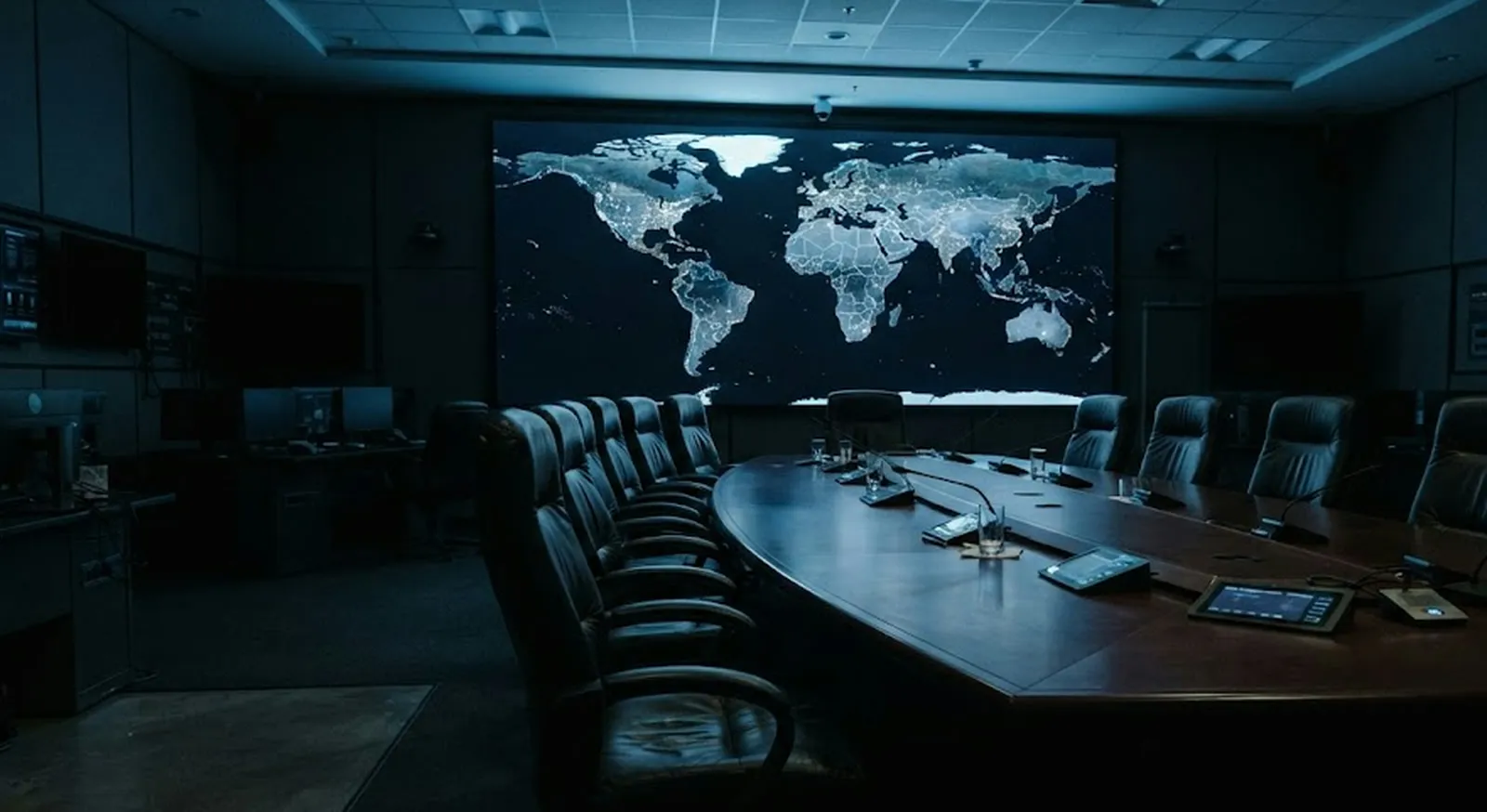
The State Department has issued a global security alert - not for one region, not for one embassy, but for American citizens wherever they are on the planet. The message is short and chilling: stay alert, because nobody can guarantee anymore where the next escalation will hit.
The trigger isn't abstract. Two American soldiers were killed in Jordan during an Iranian attack with ballistic missiles and drones, and a third is listed as missing. That pushes the number of confirmed American military casualties since February 28 up to 16. Sixteen coffins - and yet President Trump, after going silent for more than 24 hours on his own network, found only to say it was a „very sad thing”.
Washington officially fears that pro-Iranian groups could strike American interests, facilities, or places where US citizens gather - and that anywhere in the world, not just in the Middle East. Airports, airspace, diplomatic missions: all of it is already on the list of possible targets. When a state tells its own citizens „watch yourselves wherever you are”, that isn't a routine warning - it's an admission that control is slipping.
CENTCOM immediately announced fresh strikes, this time against the forces of the Iranian Revolutionary Guard, which it claims are responsible for the soldiers' deaths. Iranian media reported strikes on Kharg Island and the zones around the ports of Bandar Abbas and Sirik, though weaker than the previous nights when bridges, tunnels, and power plants came down.
On the other side, the rhetoric is harder still. Supreme leader Mojtaba Khamenei declared that Tehran would teach Washington an „unforgettable lesson” and accused it of breaking agreements, adding that Trump's signature is worth nothing. Iran has already warned that „the whole region will pay the price” if the strikes on infrastructure continue.
And the price is already being paid in numbers that terrify. Iran's health ministry reported at least 50 killed by American strikes between June 27 and July 18, including women and children, with over 500 wounded. Human rights organizations estimate around 3,500 dead in the joint American-Israeli strikes since the start of February. In Lebanon, Israeli operations since March have taken over 4,000 lives according to Lebanese authorities.
The Balkans know this scene by heart - the moment when a local conflict stops being local and starts spreading like ink in water. The question hanging over all of this isn't whether the escalation will continue, but how far from the Middle East it will reach before someone says „enough”. When the State Department warns of „unpredictable escalation”, that's a diplomatic way of saying nobody is holding the wheel anymore.
The latest 10 news from this category
Between 2,300 and 3,000 North Korean soldiers have died in Kursk so far. Kim Jong Un has found an export...
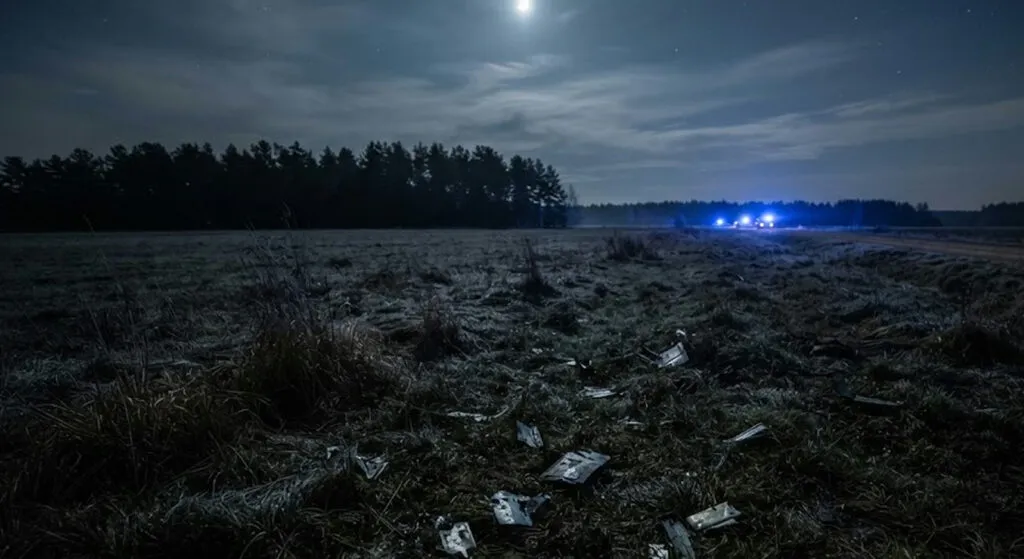
A NATO fighter jet downed an unmanned aircraft over Lithuania minutes after midnight, and citizens got the warning on their...
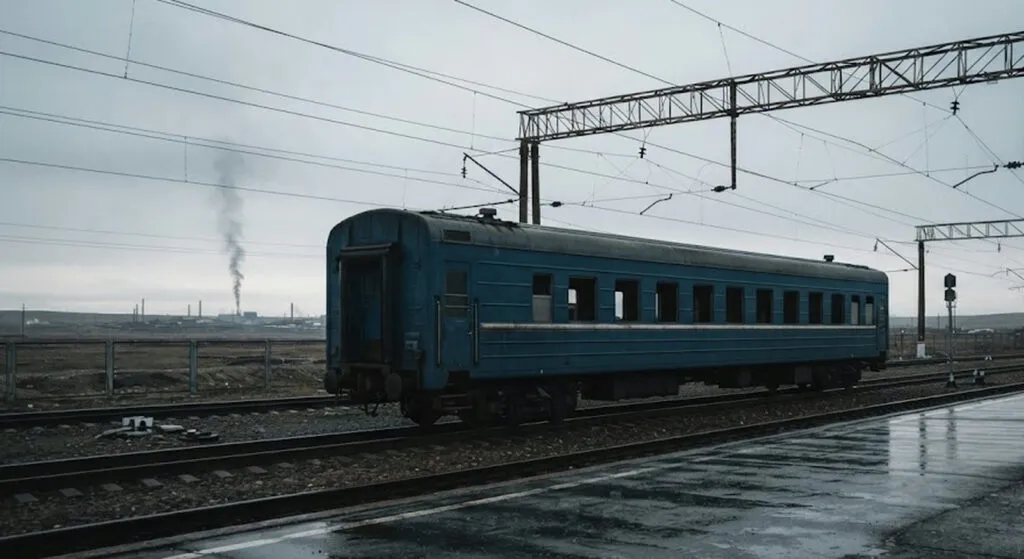
The train was empty, the locomotive damaged, nobody hurt. But Boris Johnson and a group of European security advisers had...
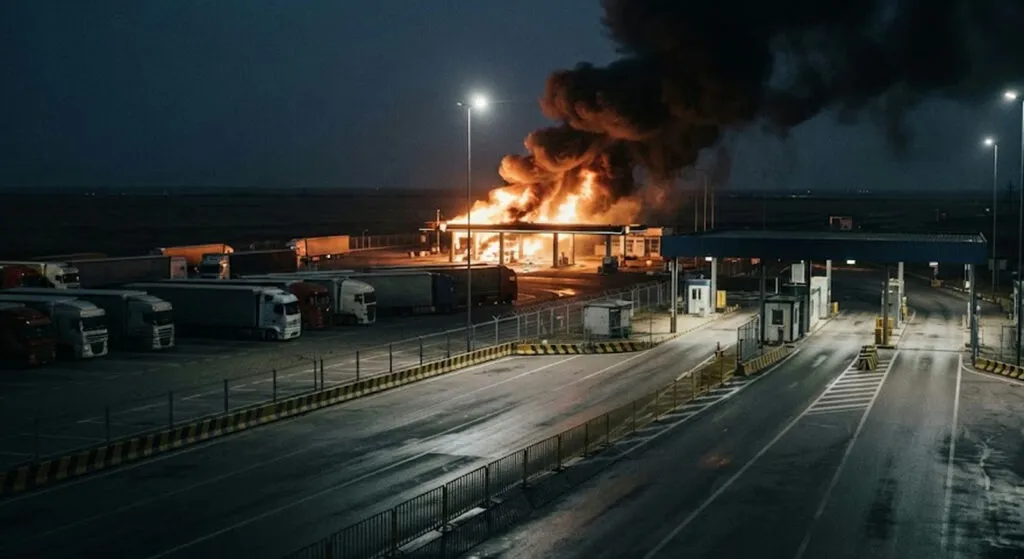
453 drones in one night, 405 shot down - and the forty-eight that got through land somewhere. Poland's prime minister...

Trump's son-in-law told an audience in Kyiv the deal is done - if Ukraine withdraws. And added that the battlefield...
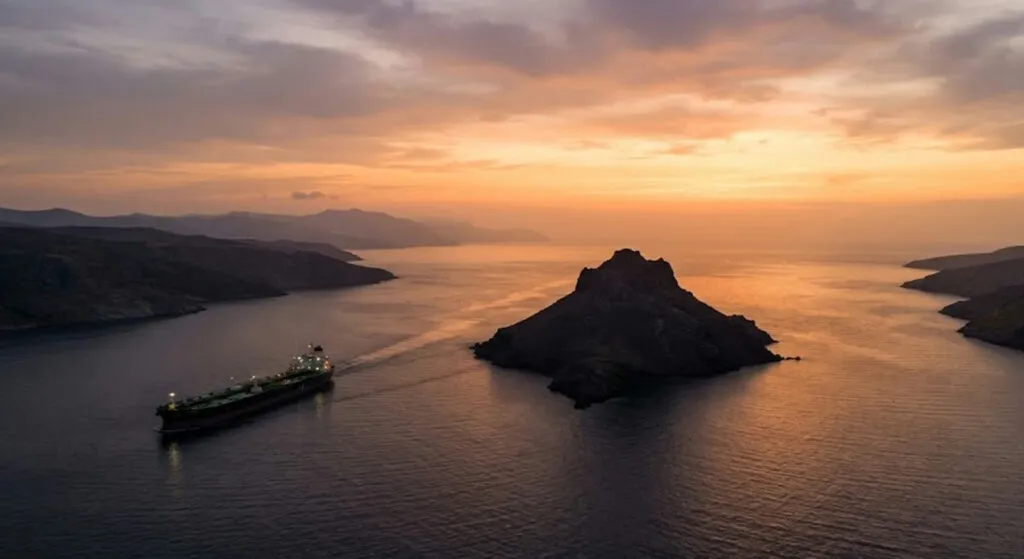
A barren volcanic rock in the middle of a strait 28 kilometres wide changed the oil market in a single...
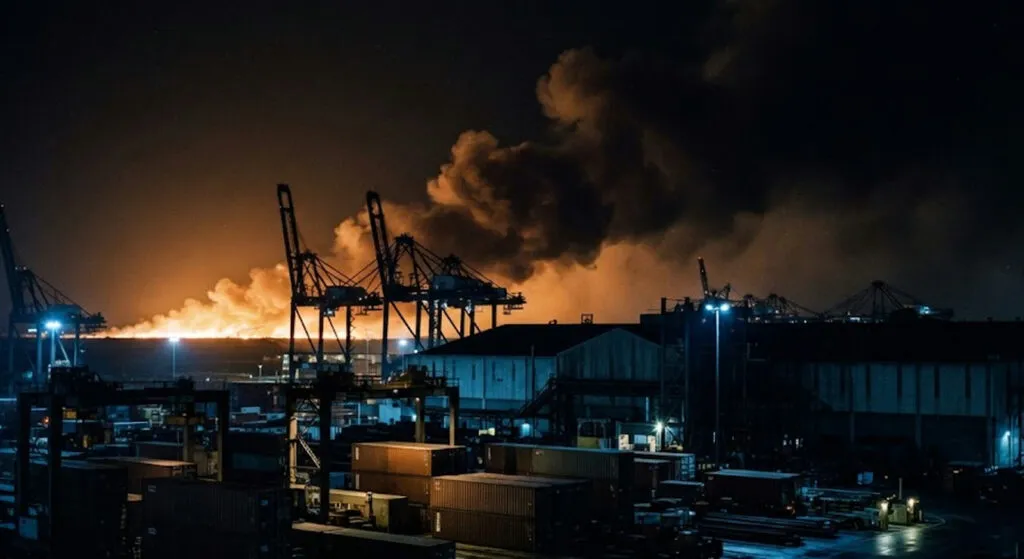
Hostomel, Odesa, Kryvyi Rih - targets that are not the front line but the supply chain. A war against the...

We don't want war with Europe, but here is exactly how that war would start. He said both sentences in...

When an army recalls its special forces with a 12-hour deadline, that is not a rota but a signal. The...

Port infrastructure in Makhachkala and the theatre building caught fire, the governor said. Moscow claims it shot down 448 drones...
This site uses cookies - is that okay? Learn more
Be the first to know when Metla launches something new
Leave your email and we will write when there is a new guide or something new on Metla.
